TIMELINE:
2 WEEKS
RESEARCH METHODS:
DATA PHYSICALISATION, AFFINITY DIAGRAMMING
TEAM:
VIBHOOTI • JAMIE • LINDY • MERRIN • REVATI • SAKSHI
UX of Text
brief.
"Design an experience that reveals the materiality of text."
week 1.
Secondary Research & Affinity Diagramming
We gained a better understanding of the brief by researching existing topics about text. We listed characteristics of each one and grouped the thoughts.
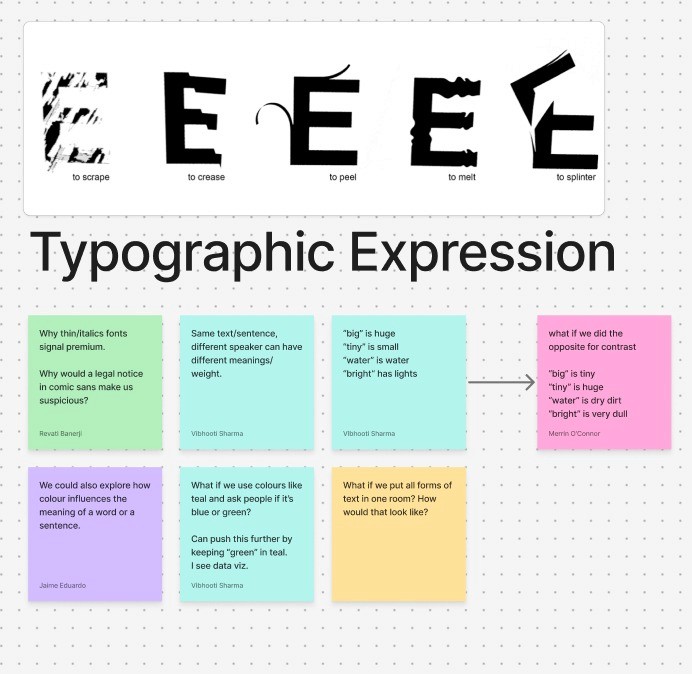
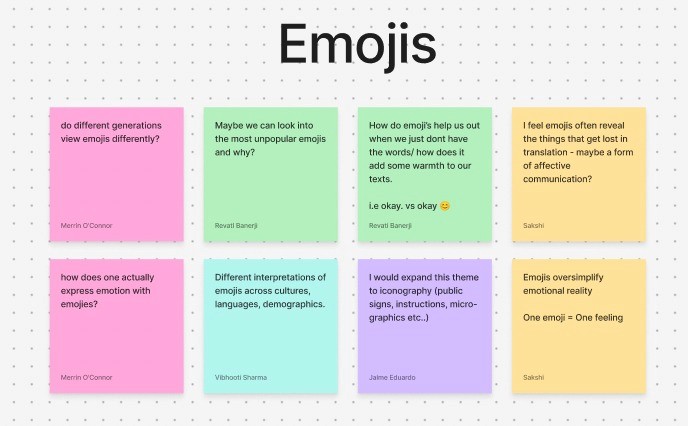
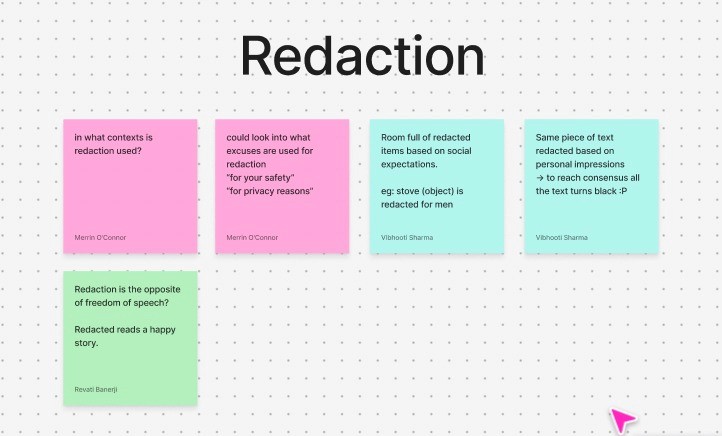
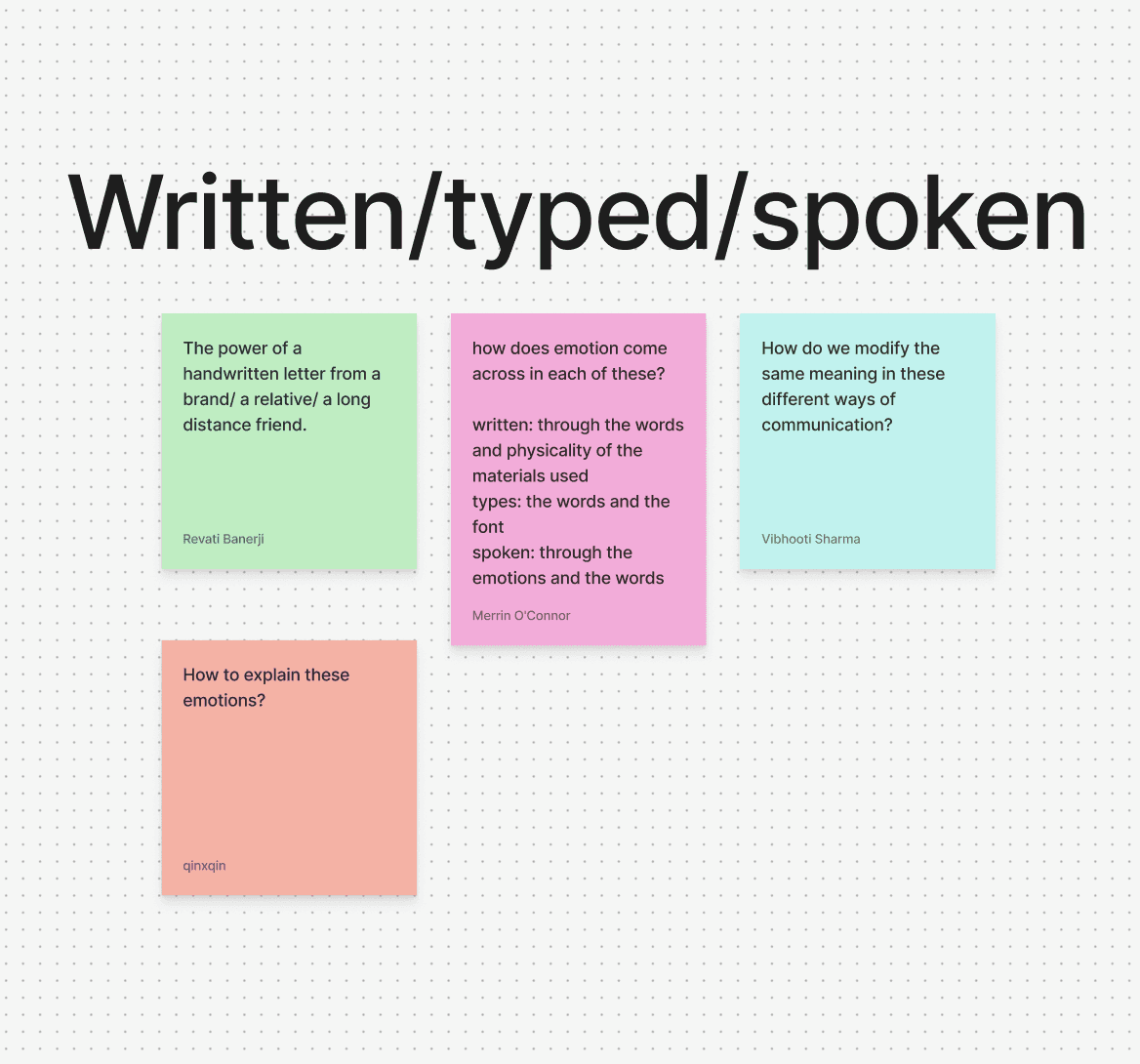
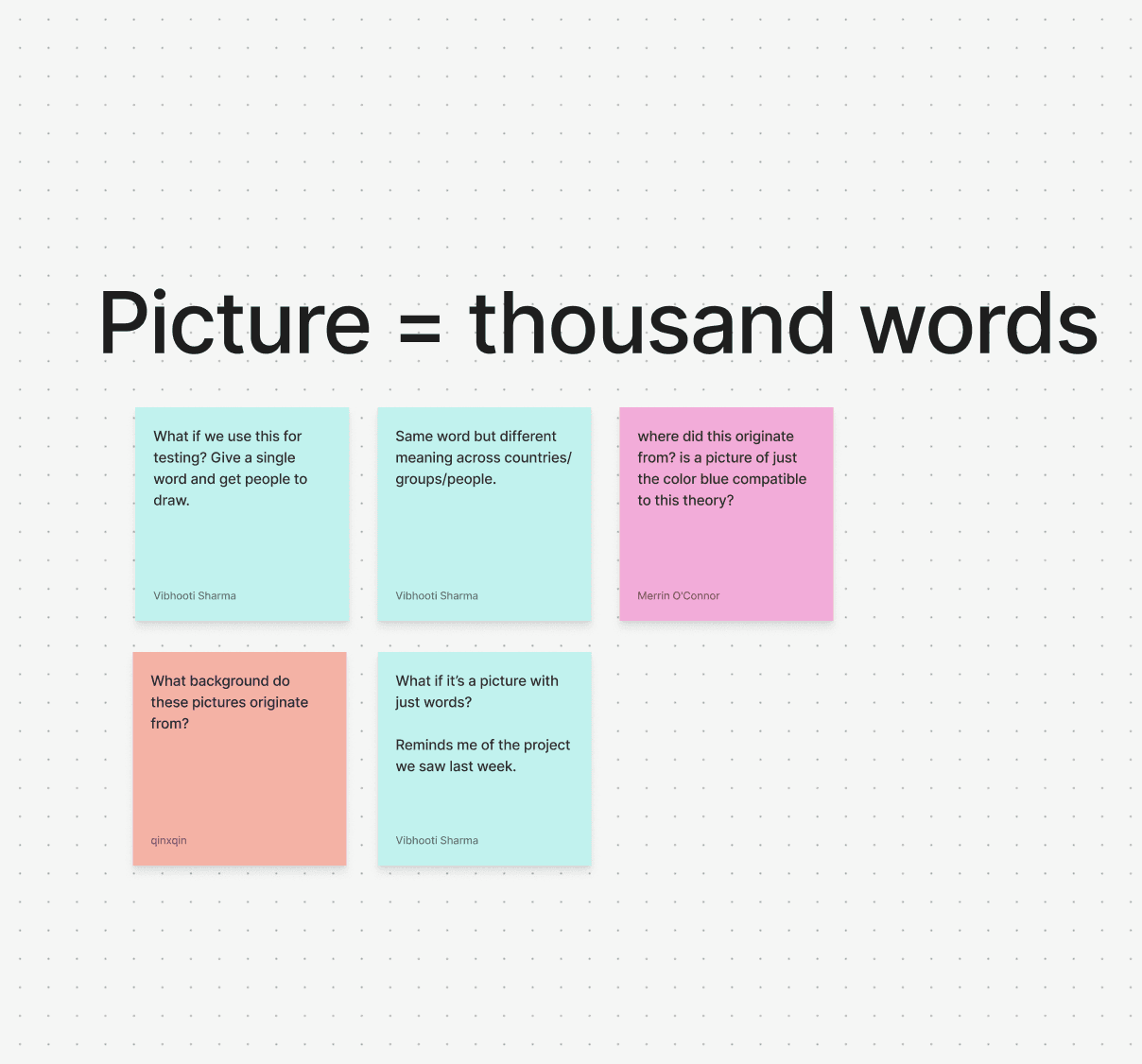
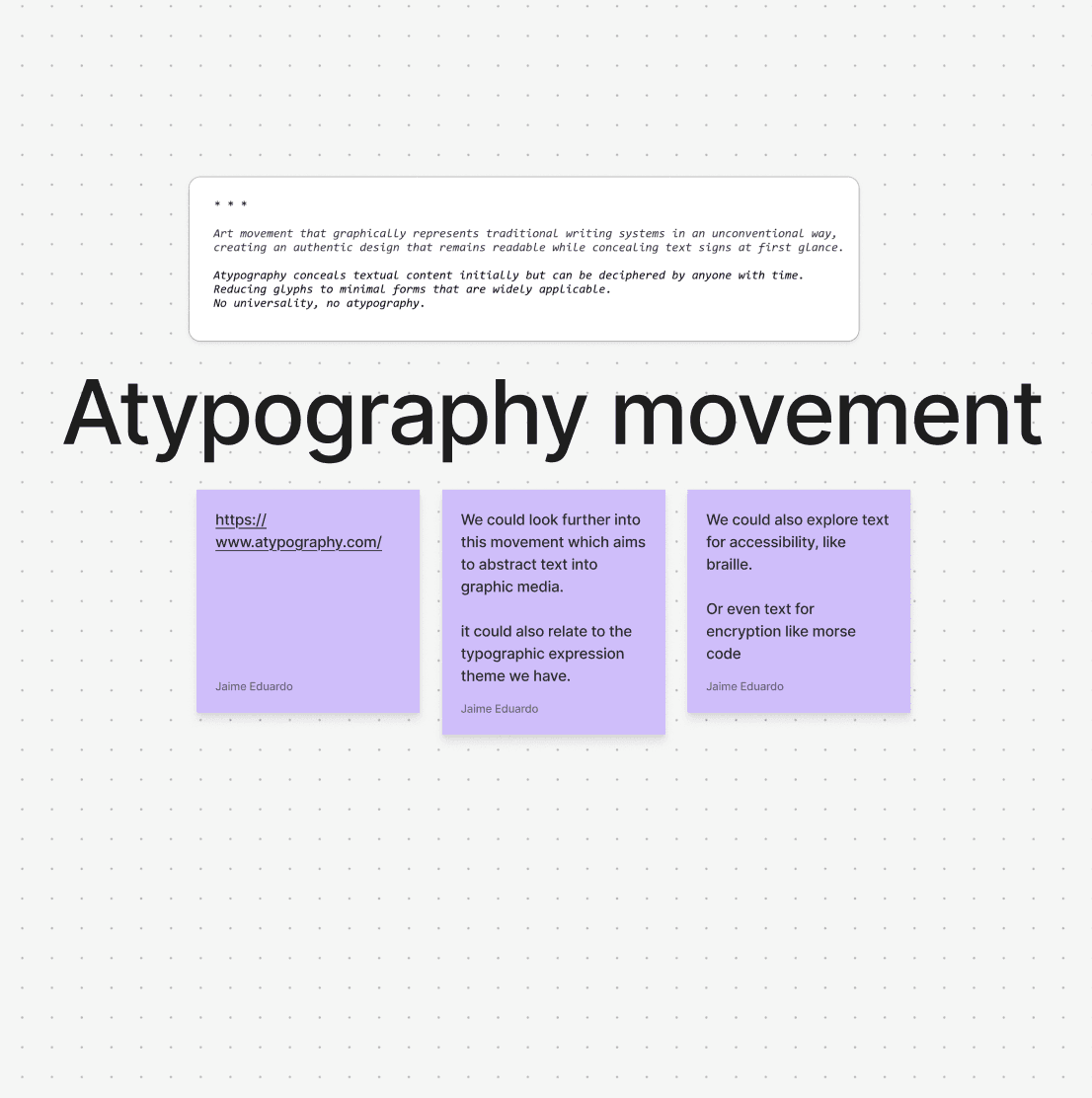
Feedback
Affinity Diagramming was done incorrectly as it was a top down approach.
Try going outside, talking to people, observing, taking photos.
You might want to think about the primary research first.
Surface the secondary research through one of the topics you’ve fixated on.
Field Visit - London Pubs
We selected the 3 pubs below due to their history and proximity. The were visited on 2nd Dec 2025. We documented the typography, signage, and other text.
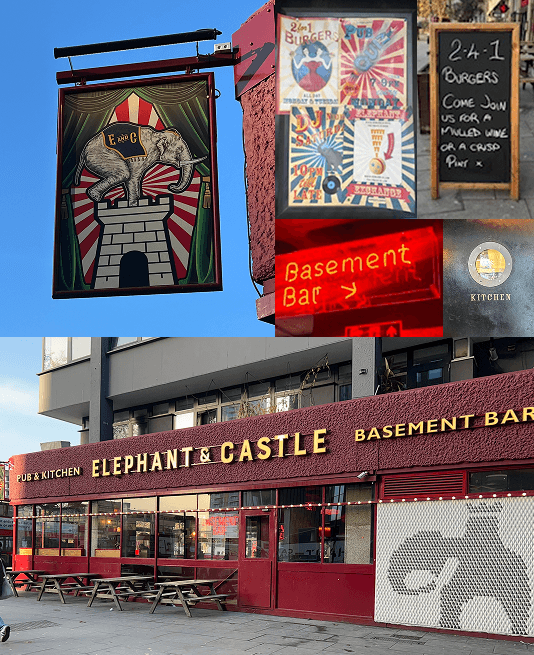
Elephant & Castle: 1:45pm
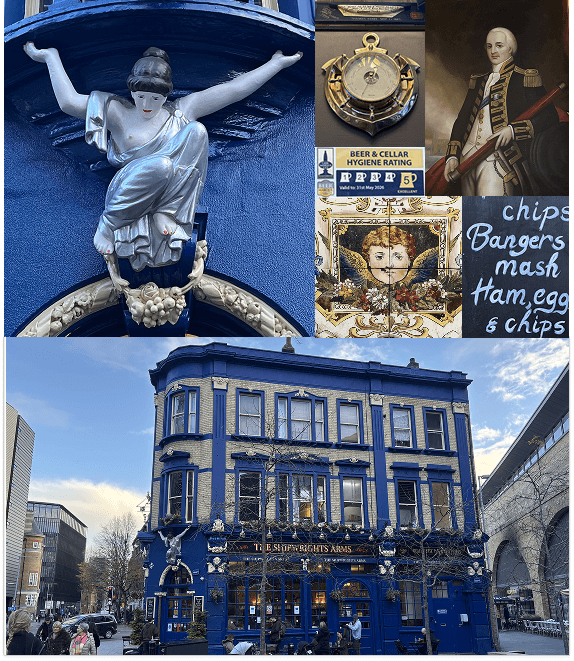
The Shipwrights Arms: 2:33pm
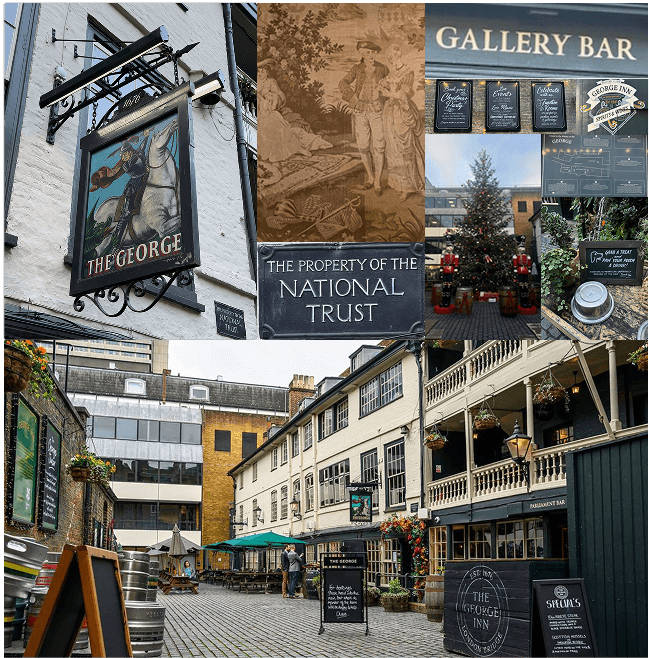
George Inn: 3:19pm
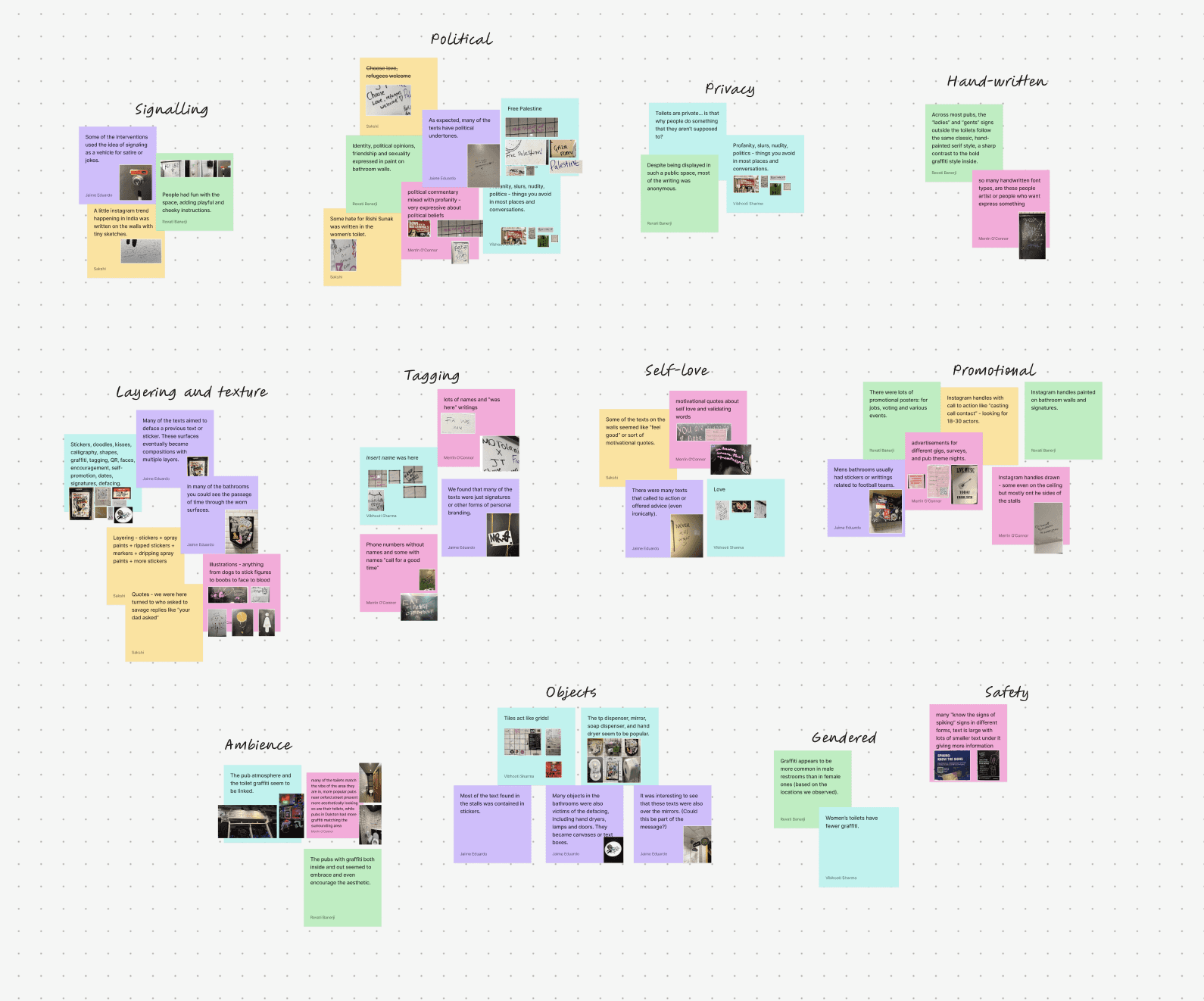
Affinity Diagramming
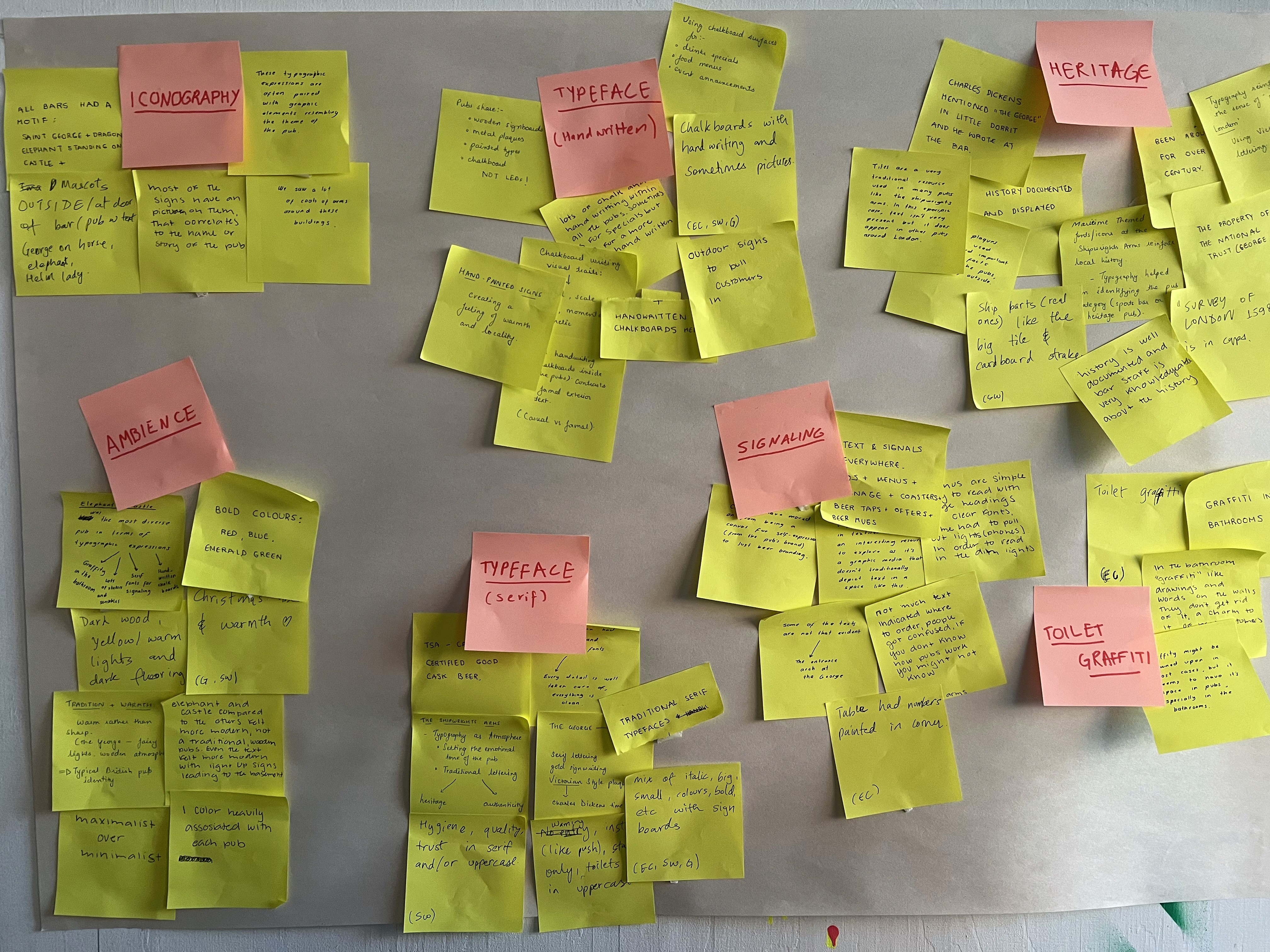
Through Affinity Diagramming, we had 7 themes emerge as shown below.
Area of Interest - Toilet Graffiti
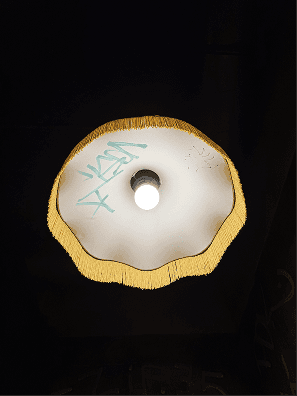
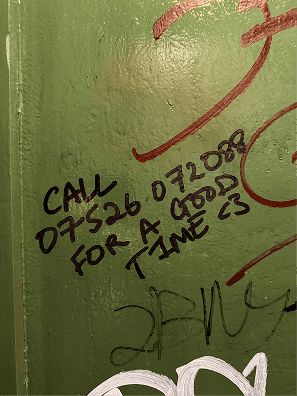
We observed toilet graffiti (latrinalia) in the men's toilet in Elephant & Castle. The contrast between the text in the same space intrigued us.
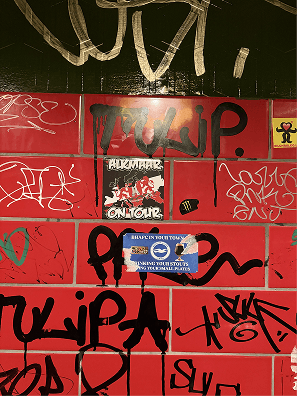
(Image credits: Jamie)
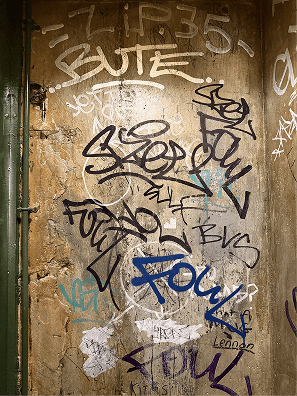
Researching more Latrinalia
We visited around 10 pub toilets and documented the latrinalia. Some examples are shown below.
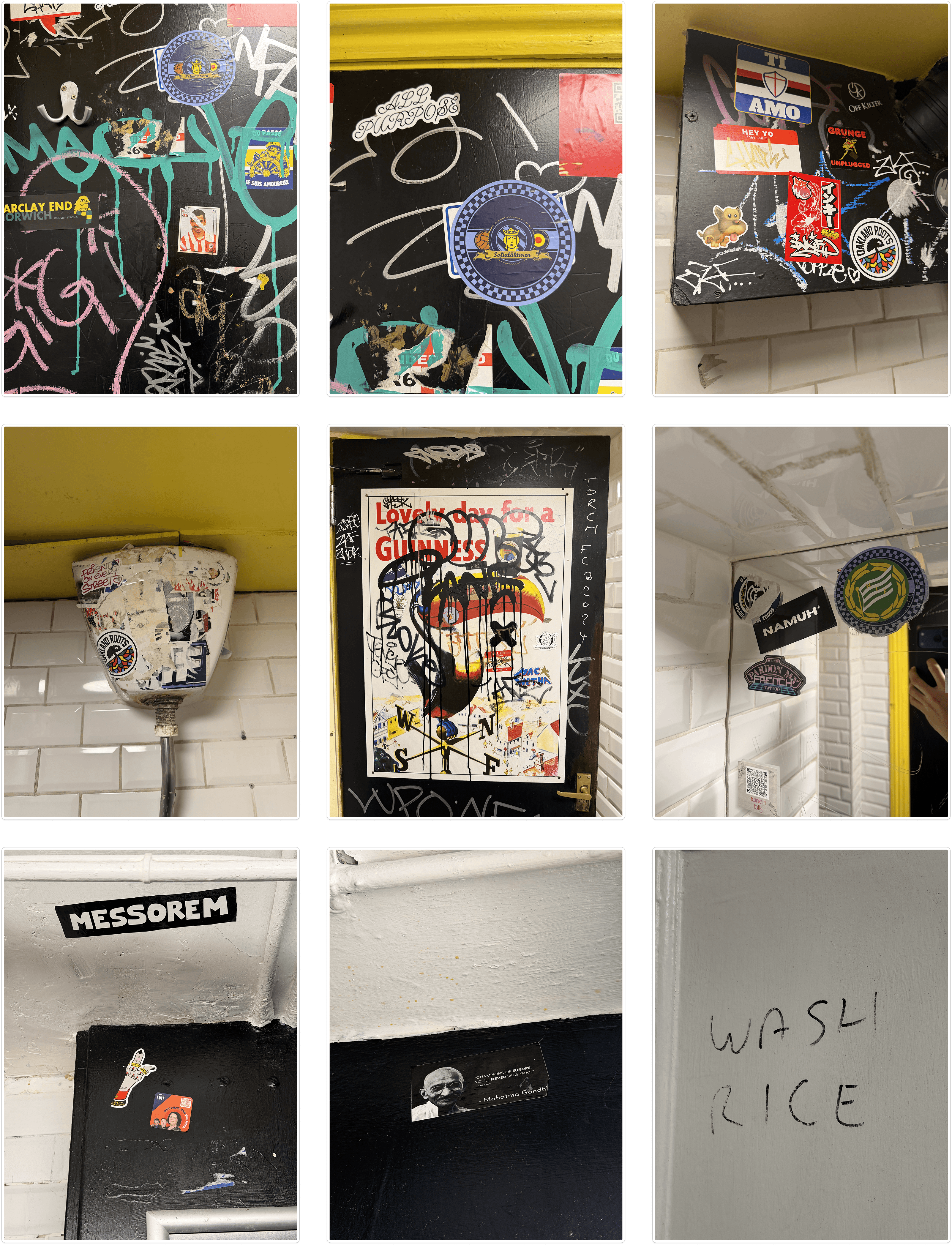
Toucan, women's toilet

Darkroom Bar, men's toilet
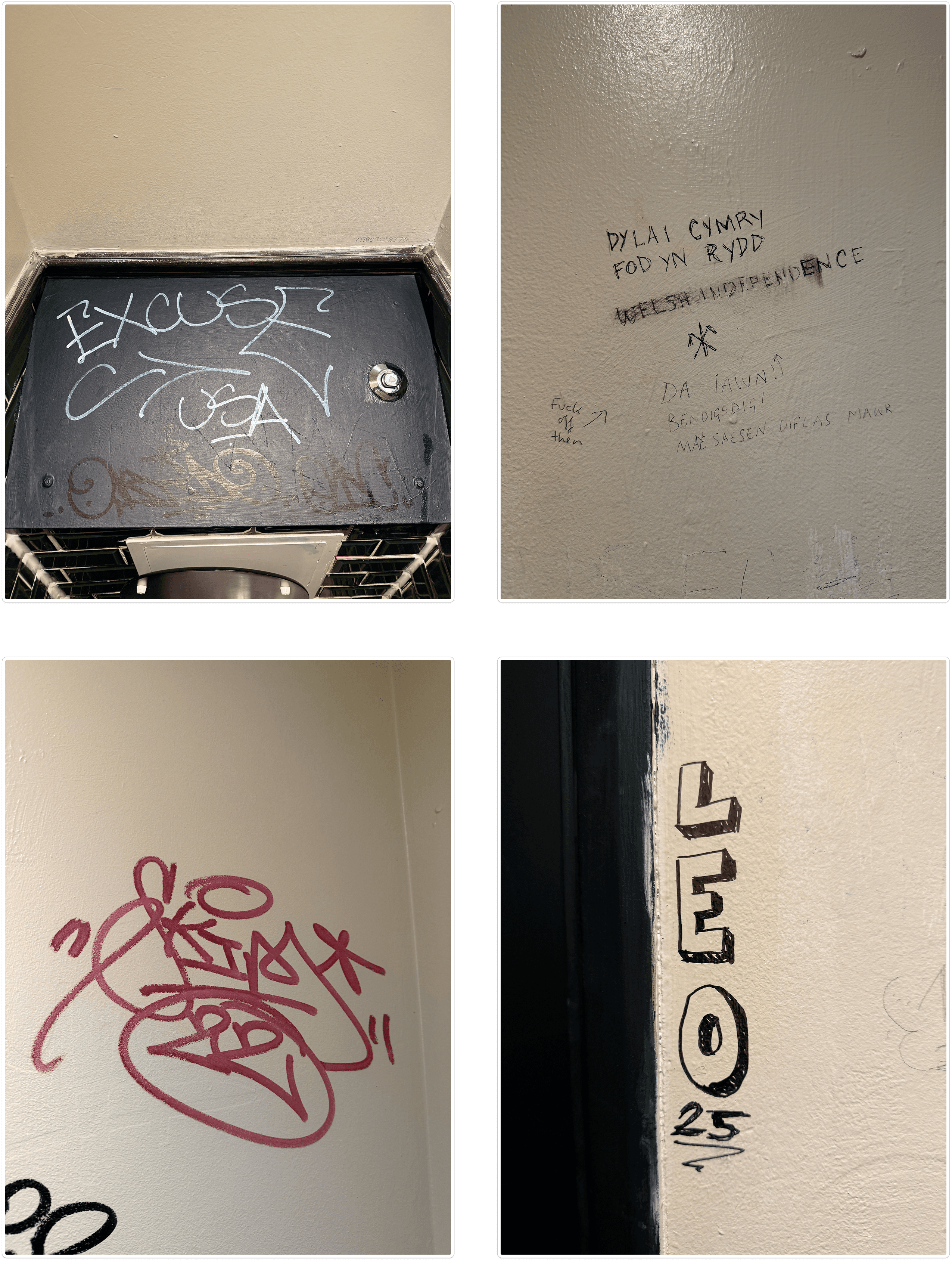
Soho, gender neutral toilet
week 2.
Affinity Diagramming
By collecting our data and insights for the latrianlia, we did another round of Affinity Diagramming.
Data Physicalisation
The themes from the Affinity Diagramming were identified and mapped into 5 categories. Coloured tissue paper was used and the data was situated in Darkroom Bar's female toilet.
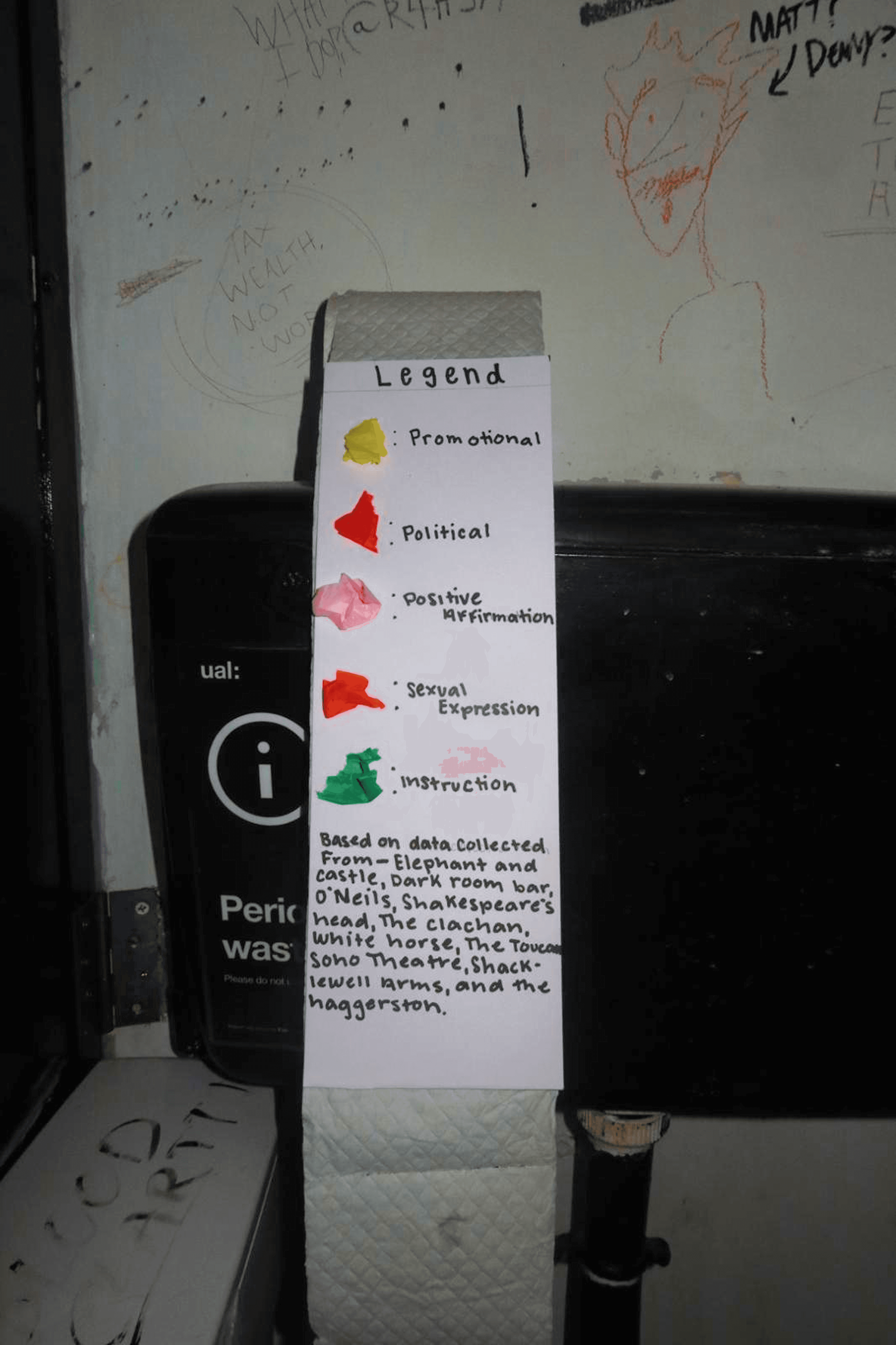
Legend on a toilet paper roll.
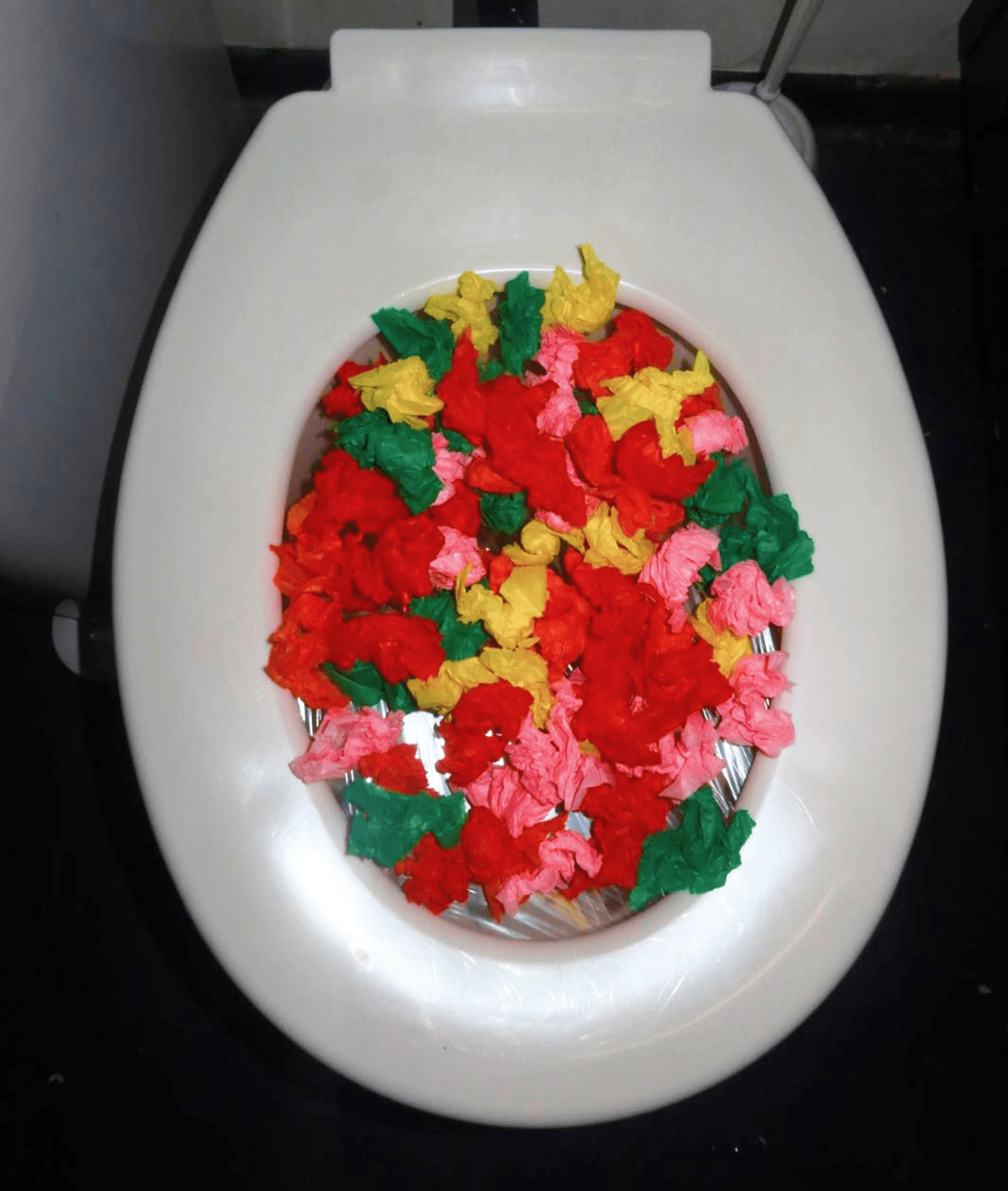
Coloured tissue paper in the bowl.
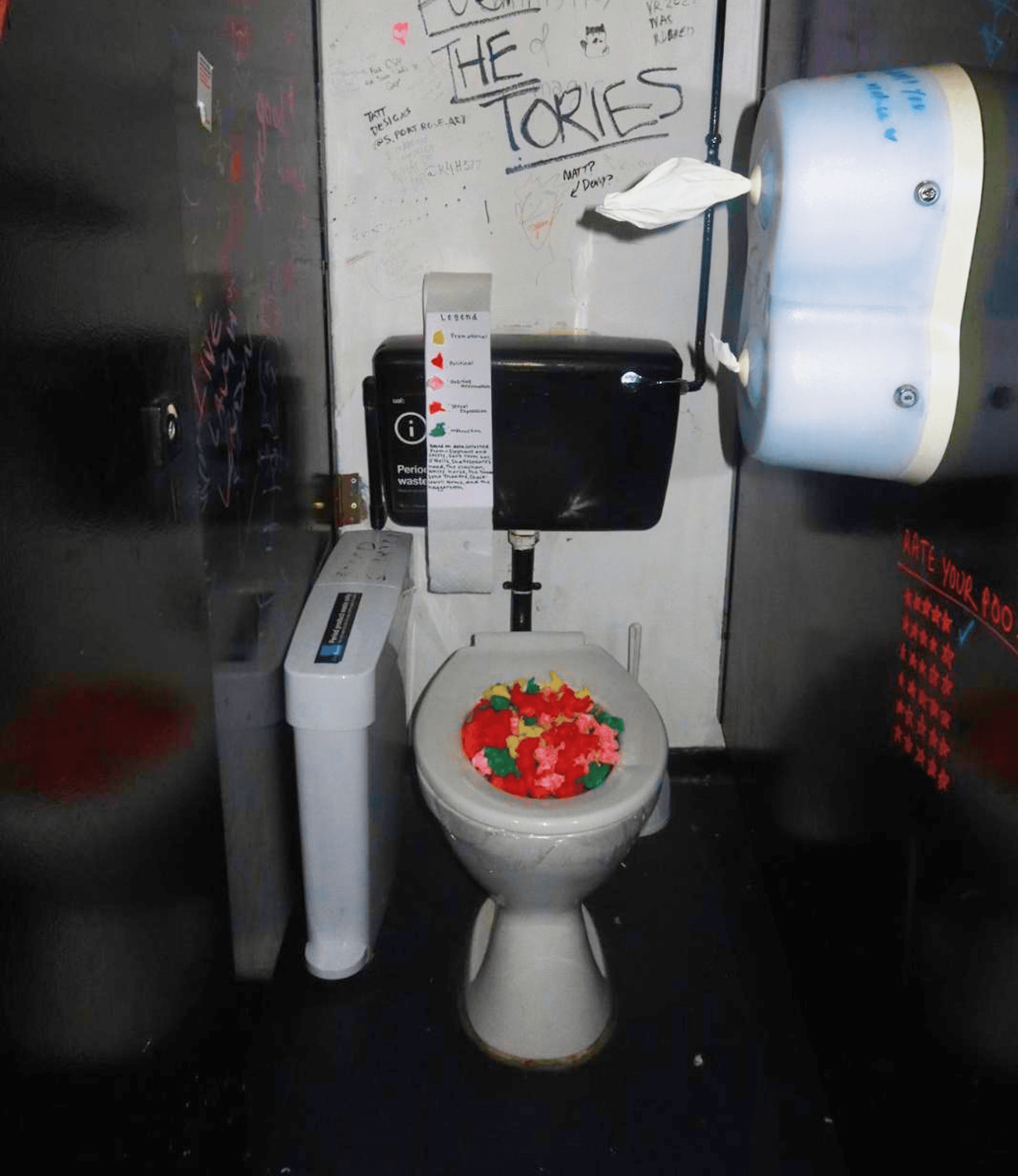
Female toilet in Darkroom Bar.
Building the space
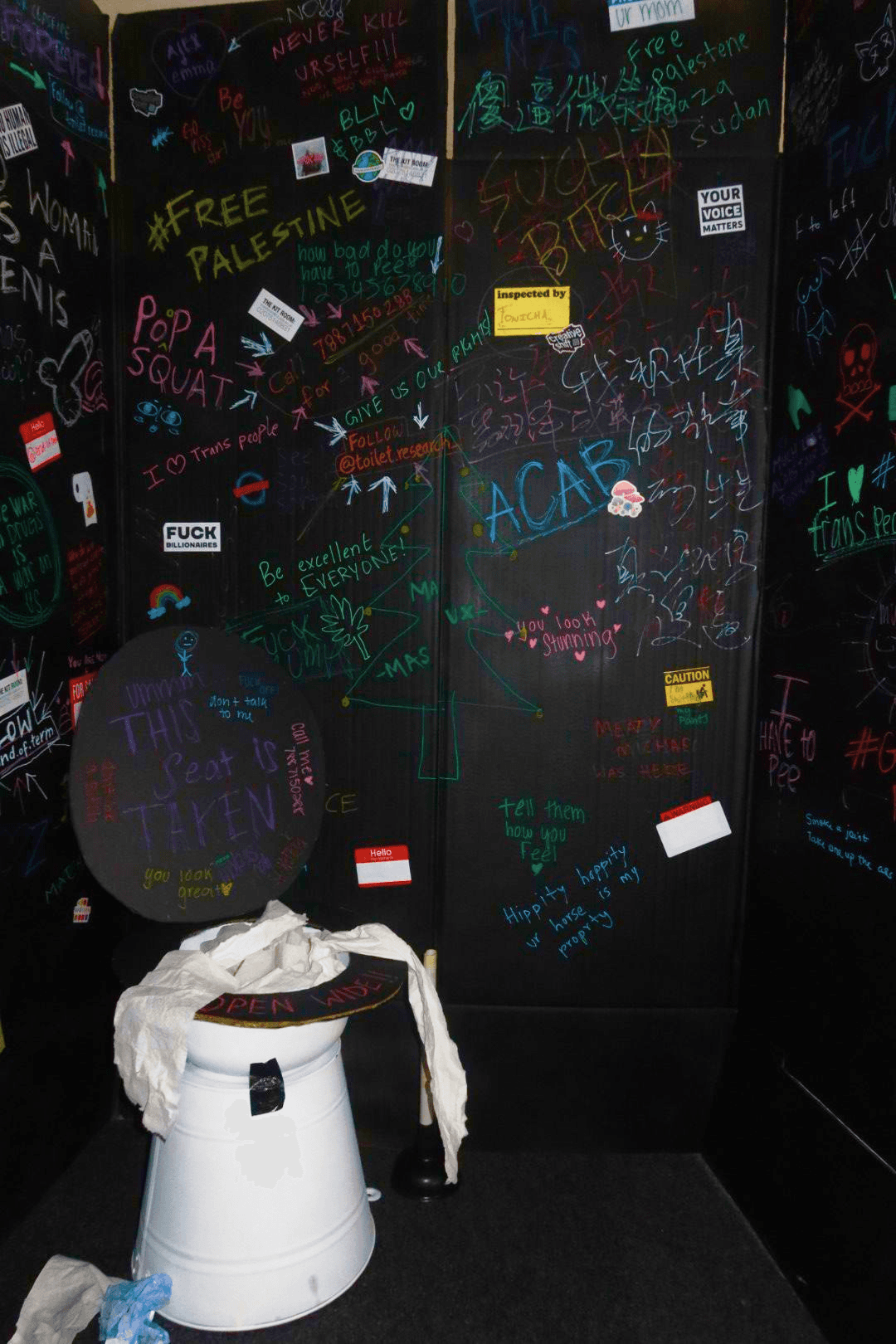
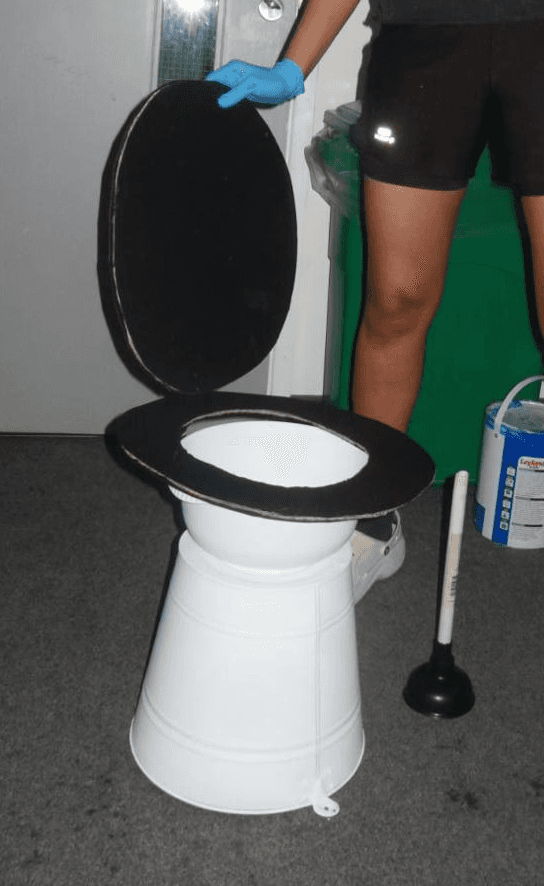
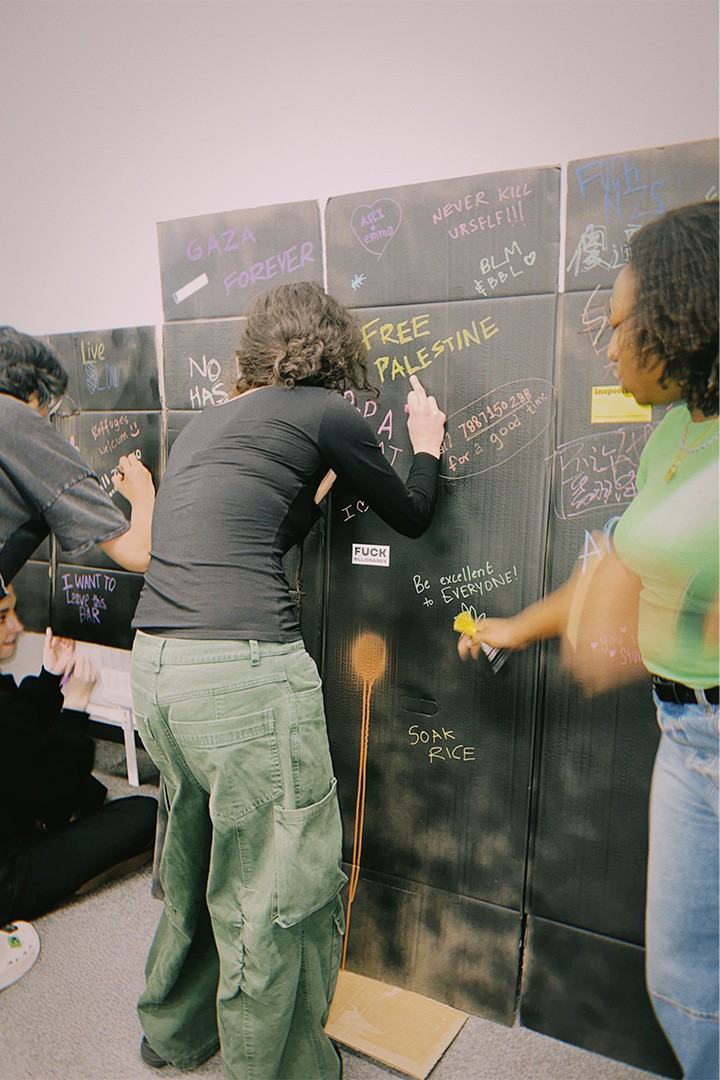
Leaning in on the toilet language followed throughout the project, we decided to "borrow" a pub toilet from its usual setting and situate it elsewhere. The use of cardboard, a bucket, and a plastic tub made the model easy to move around. The process below shows the team adding initial text as affordances and then leaving the space for others.
Final Outcome
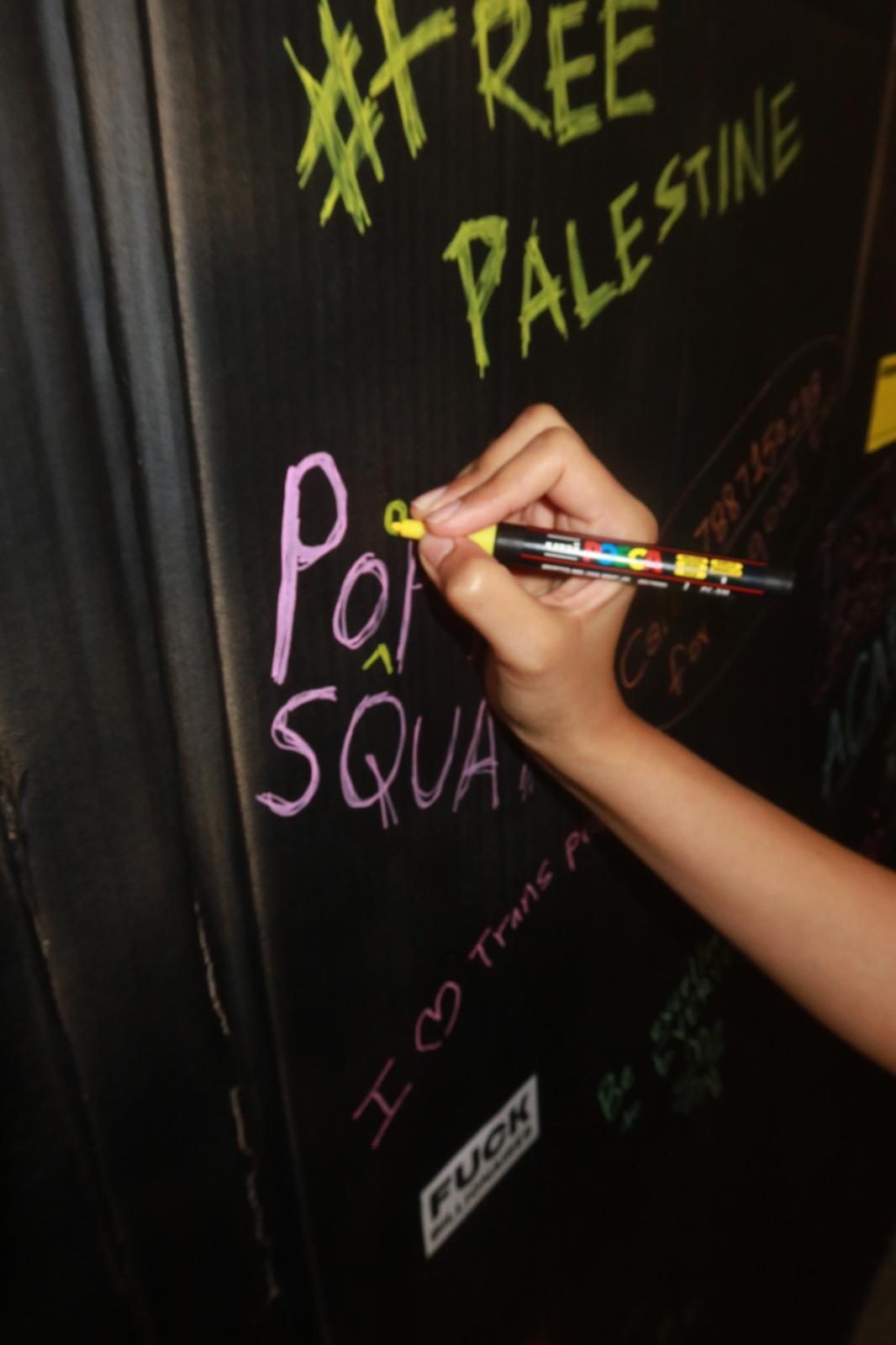
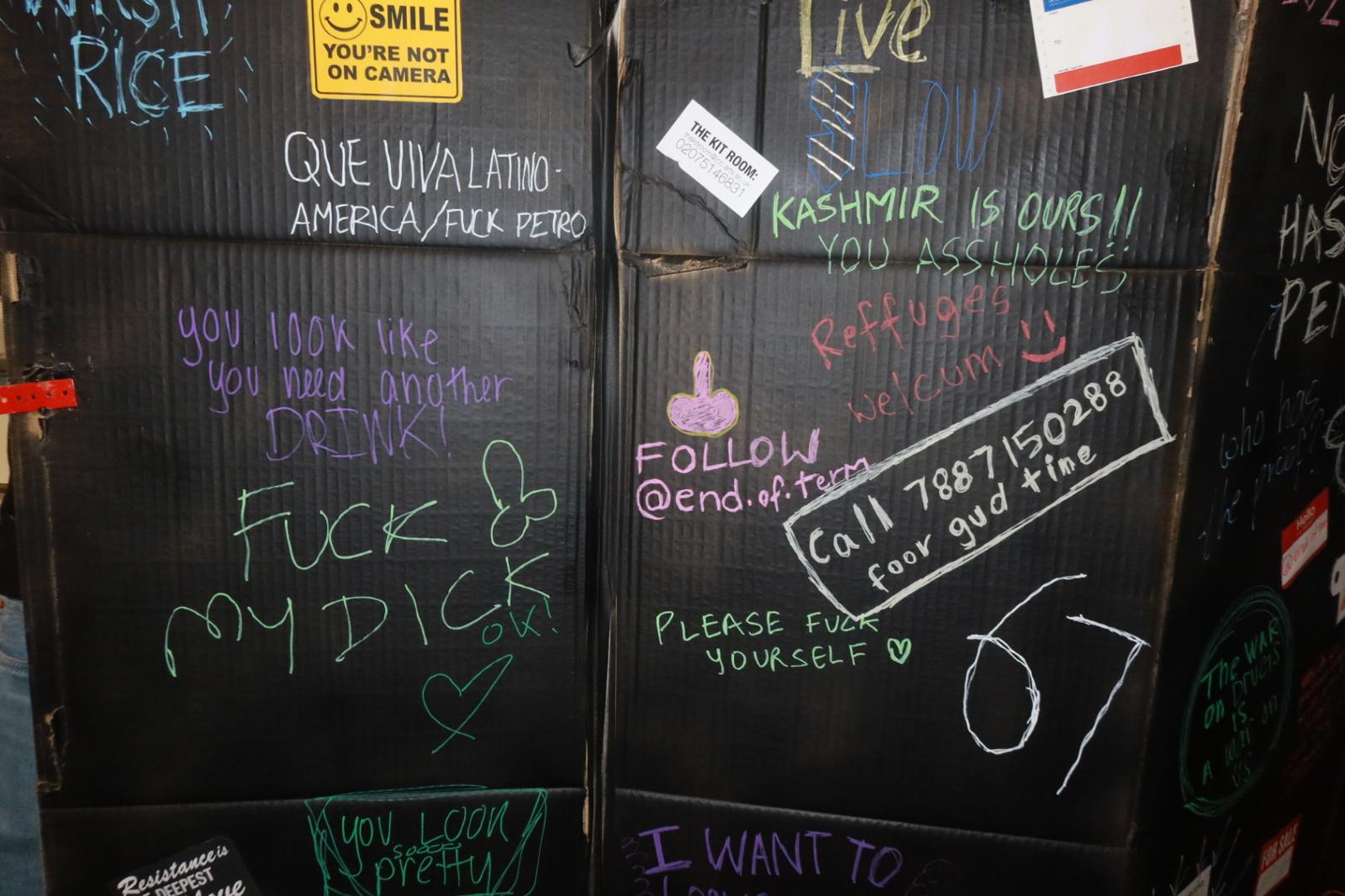
The Text Toilet is an invitation for anonymity, creative expression, and unfiltered dialogue. The space is used privately, but viewed by the public.

reflection.
Through this project, we based our ideas on our primary research. We developed a constant language around toilets in the project.
Looking back, there is space for improvement:
Our outcome is constantly changing as people engage with it, we could have taken it outside.
We could have explored more ways to make the space even more dynamic and engaging.
The final toilet bowl developed is slightly smaller than an actual toilet, it might have been due to my poor cutting skills.
references.
Amiran, E. (2016) Modernism and the Materiality of Texts
Funkhouser, C.T. (2007) Prehistoric Digital Poetry
Gibson, W., Ashbaugh, D. & Begos, K. (1992) Agrippa
Hayles, N. K. (2002) Writing Machines
Rettberg, J.W. (2019) Electronic Literature
Walker, S. (2001) Typography and Language in Everyday Life: Prescriptions and Practices