TIMELINE:
2 WEEKS
RESEARCH METHODS:
SENSORY IMMERSION, RAPID PROTOTYPING
TEAM:
VIBHOOTI • DRISHTI • ENIOLA • MINGZHI • MOLLY • SUSIL
UX of Human Senses
brief.
"Design a dance experience based on the Mithraeum. The project should focus on capturing and materialising the sensory attributes of the location."
week 1.
Field Visit & Sensory Immersion
At Bloomberg, we explored two exhibitions and captured lots of photographs while trying to feel the place with our whole body.
I had accidentally missed the temple on my first visit, but I was absolutely blown by the experience when I visited again. I think not finding the temple initially was quite fitting for the place, as it was originally underground and hidden!
Ise Jingu Shrine Exhibition
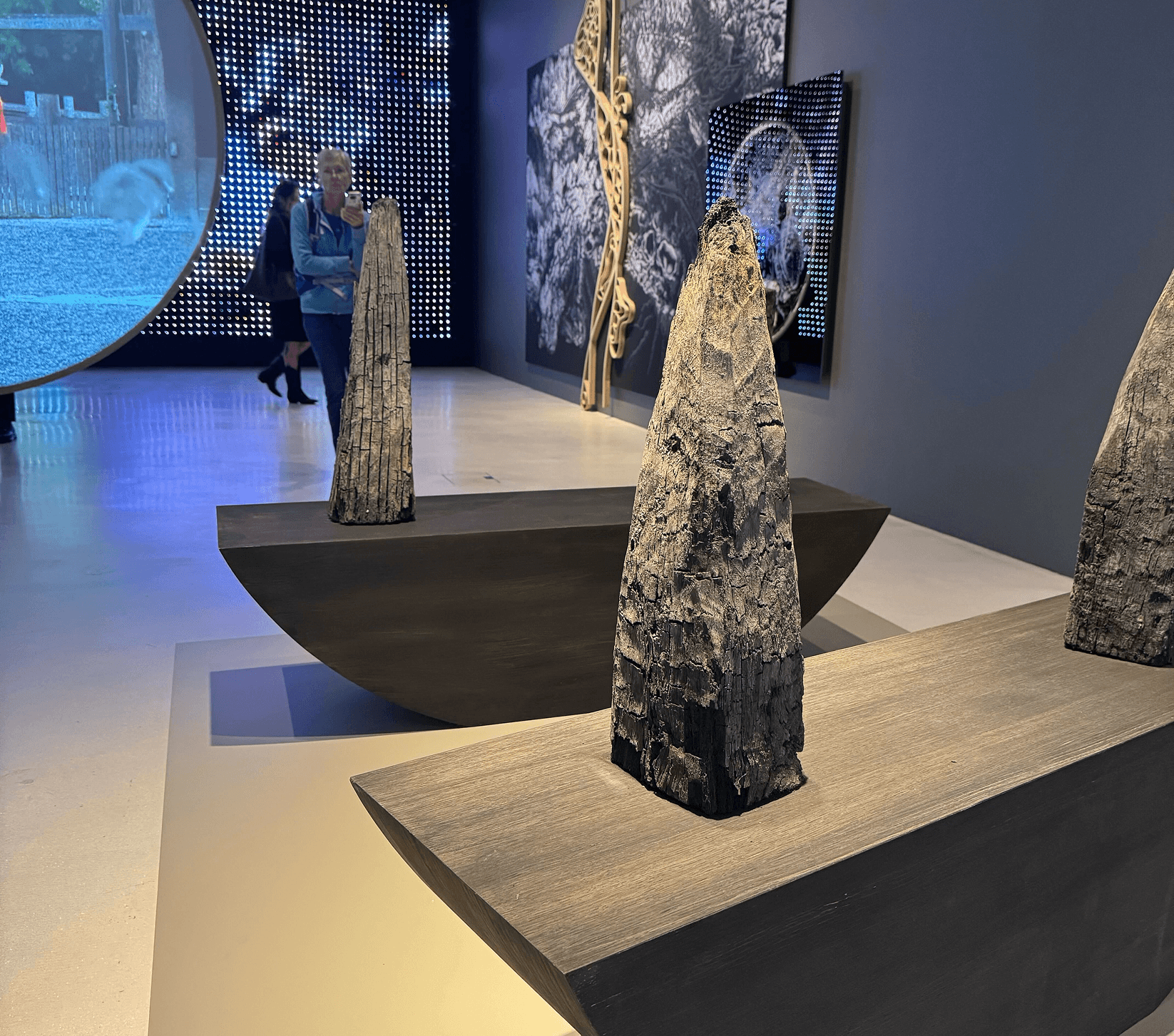
Foundation rocks: 2,000-year-old oak stakes discovered during excavations.
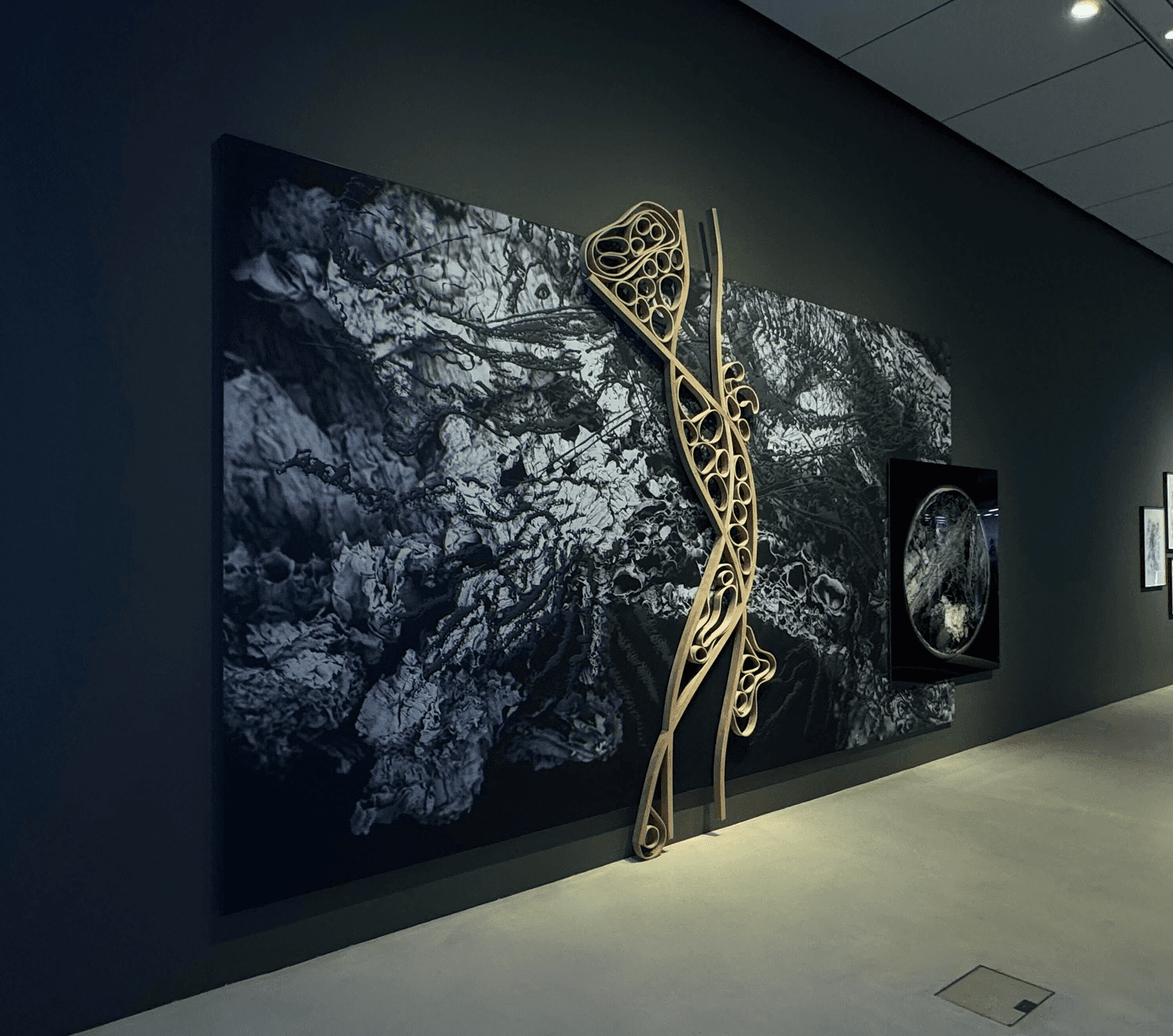
Materials: Texture observation of glass, wood, concrete and cloth.
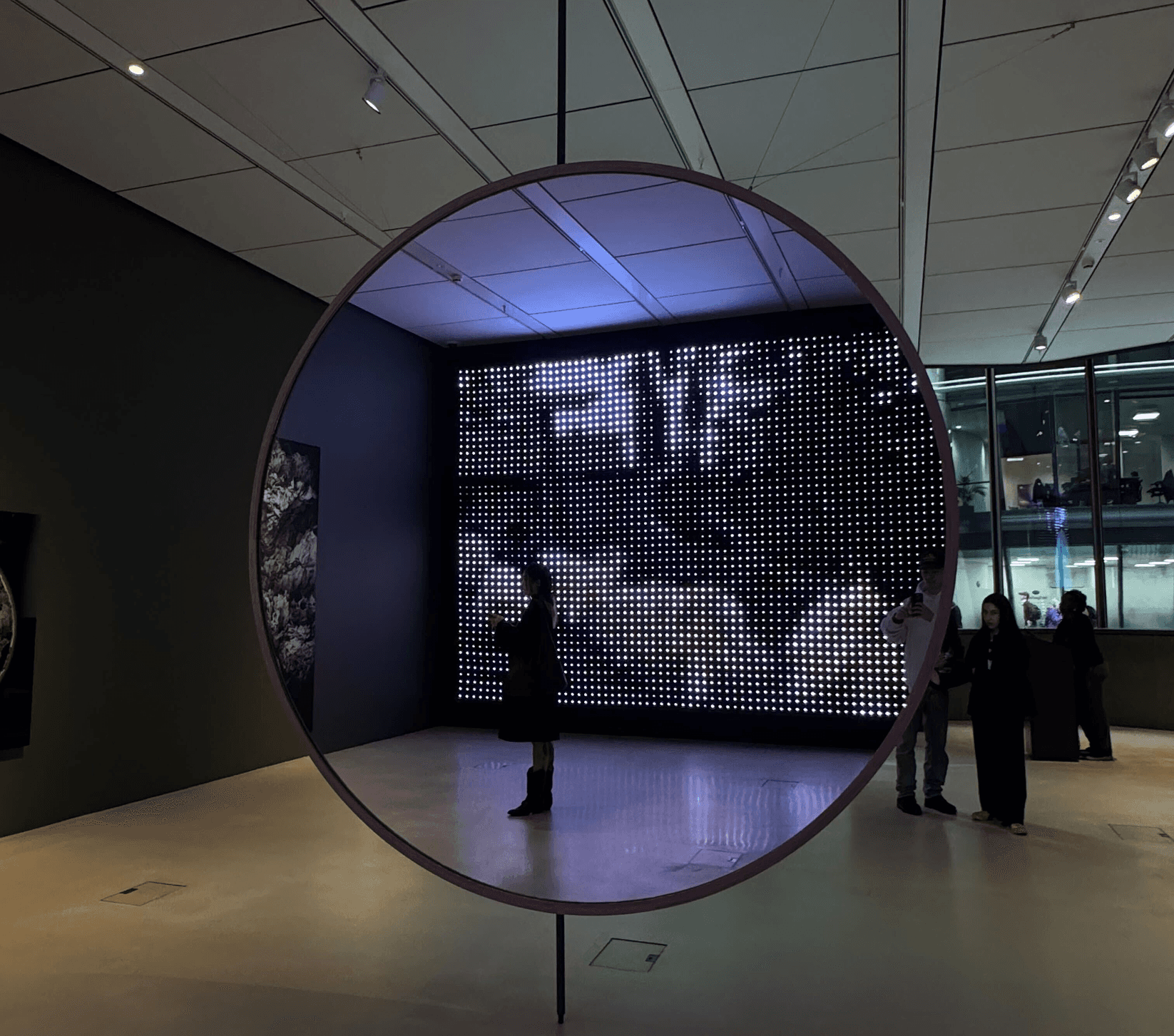
Reflection & screen: Traditional female folk-dance from Edo period.
Mithraeum
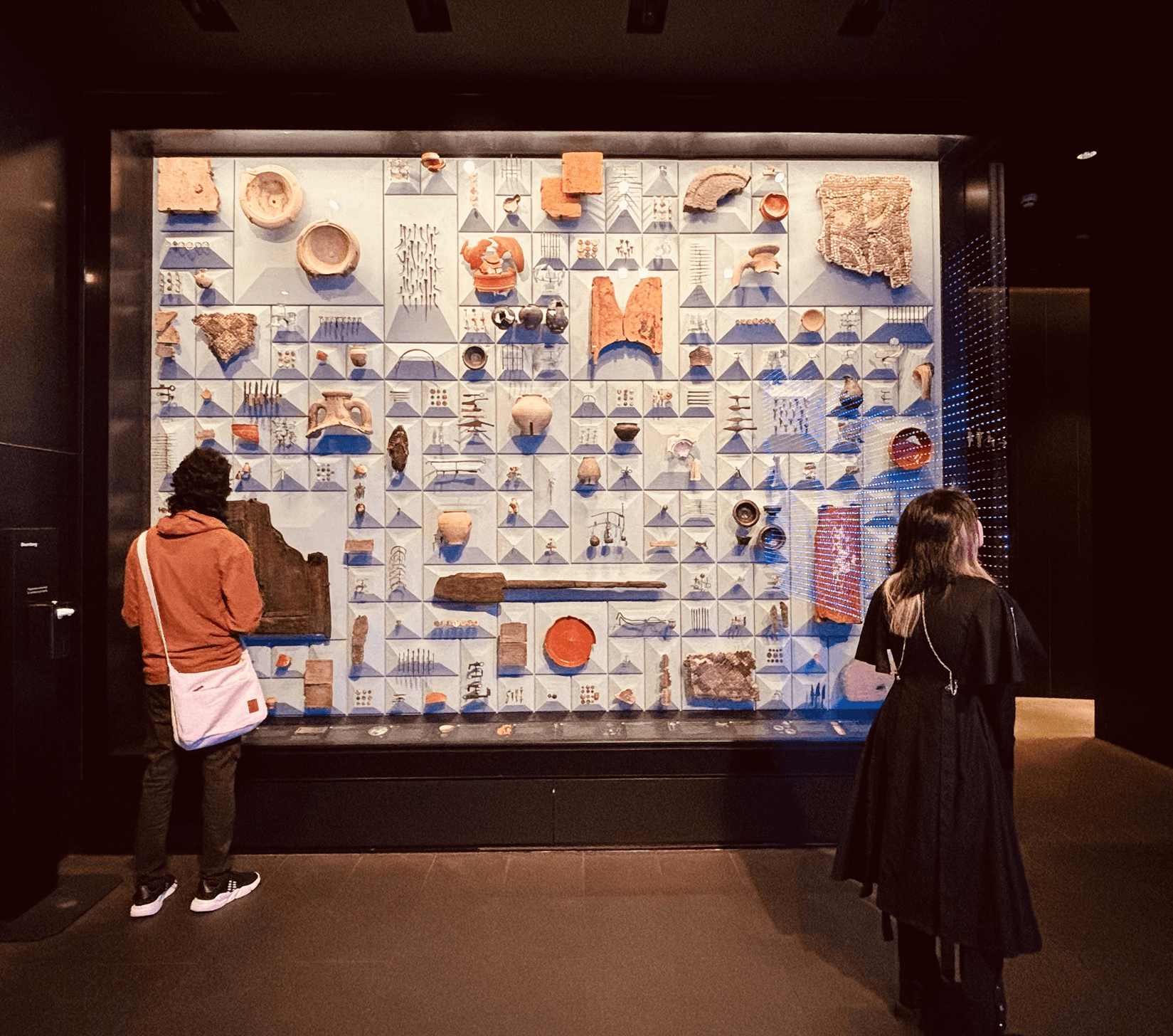
Temple artefacts: Observing recovered items and reading.
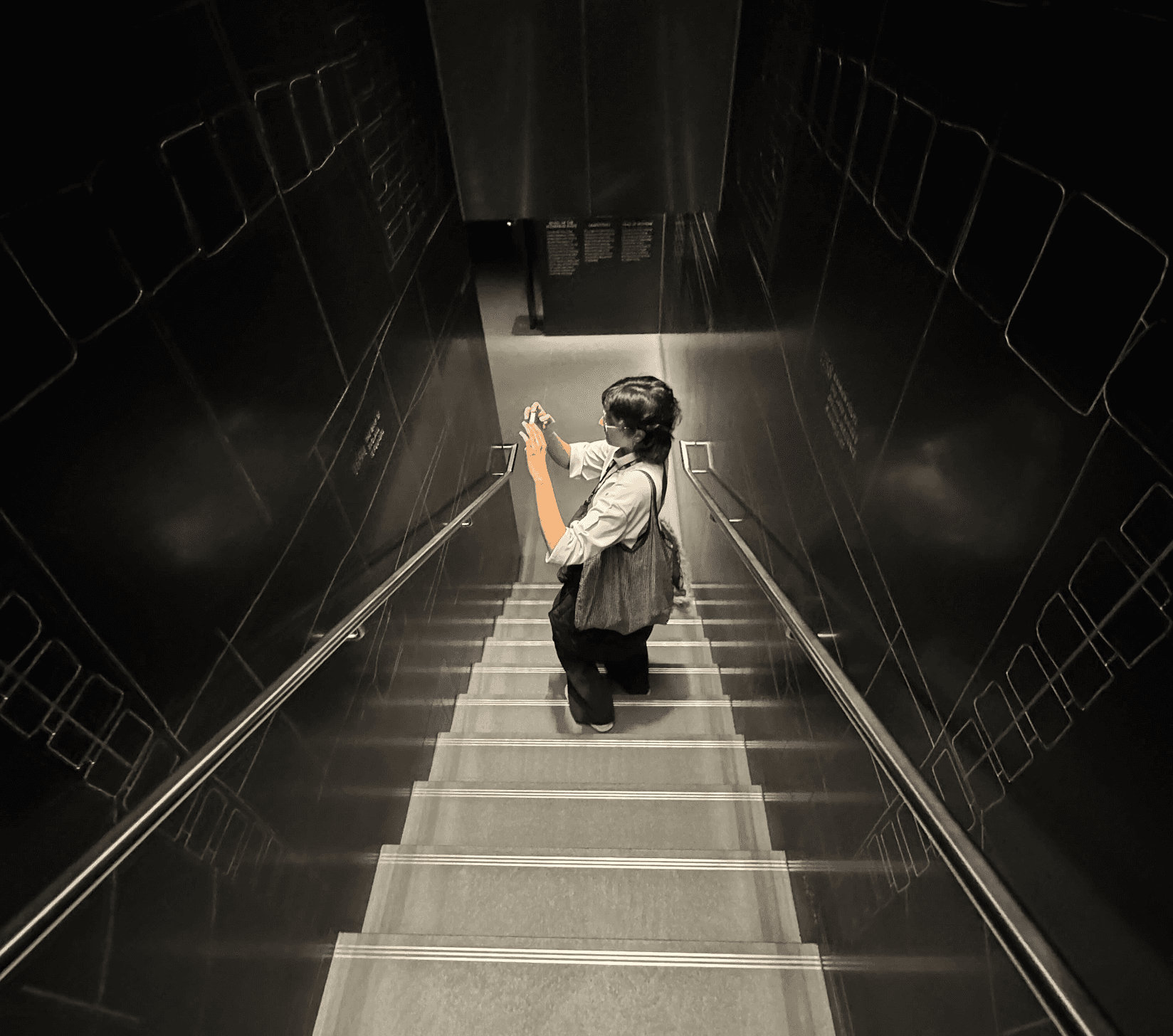
Navigation: Walking through dark rooms with wall etchings.
Temple ruins: Tyndall effect observed along with smell of incense and wet mud.
Observations
The range of materials in both the exhibitions stood out to us. We took our time touching and feeling them, especially in the Ise Jingu exhibit and the walls.
As we progressed lower, the floors became darker.
The Tyndall effect was the first thing we observed in the ruins, it left a strong impression about the space.
There was a noticeable odour of wet mud and incense.
The bells and chanting felt eerie, perhaps because it was dark.
week 2.
Group Discussion & Rapid Prototyping
At the Mithraeum, the smoke and dust particles seemed like they were dancing and this was something all of us felt. Our first instinct was to try and capture the way dust particles appeared to be dancing in the light.
Process
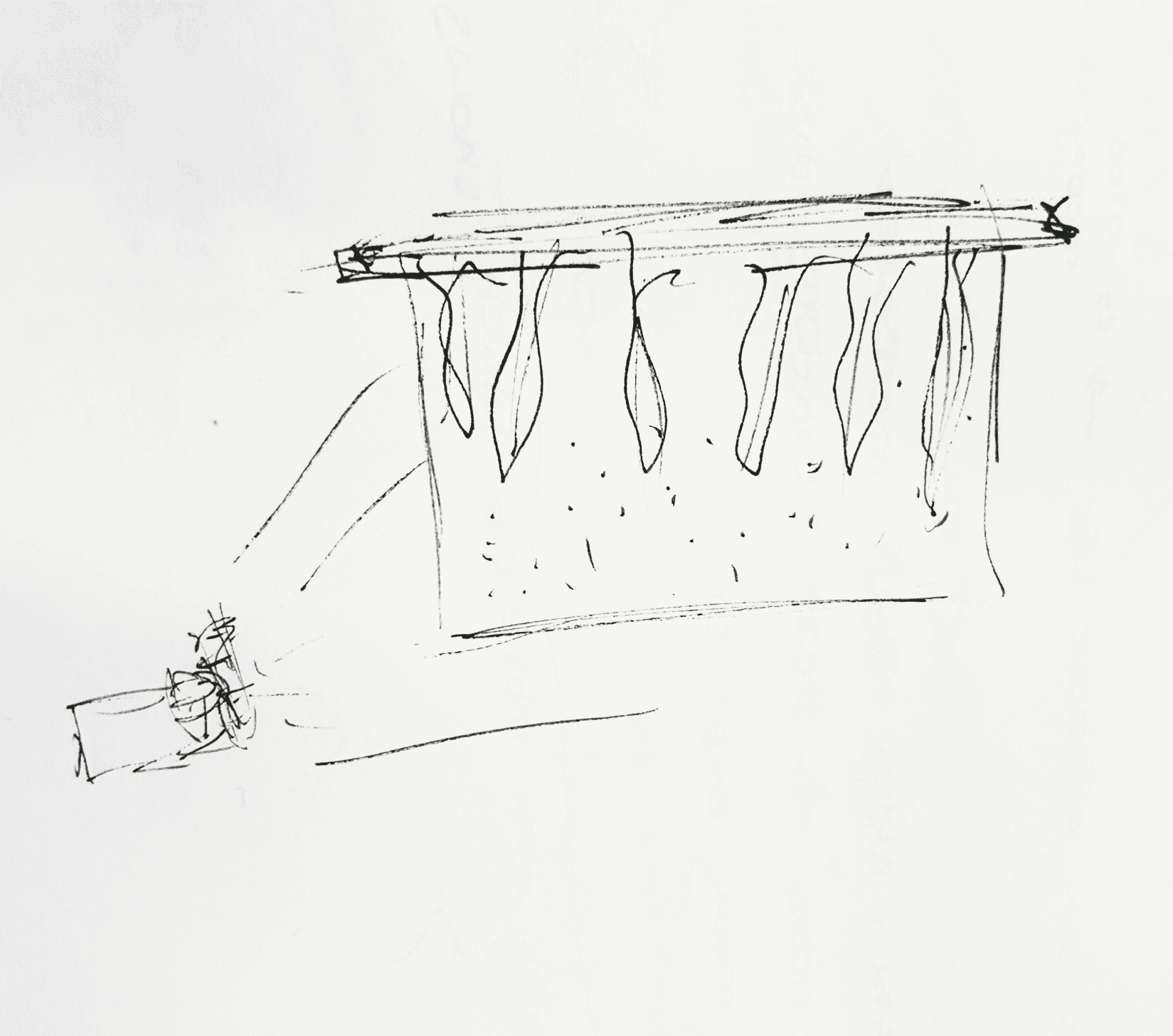
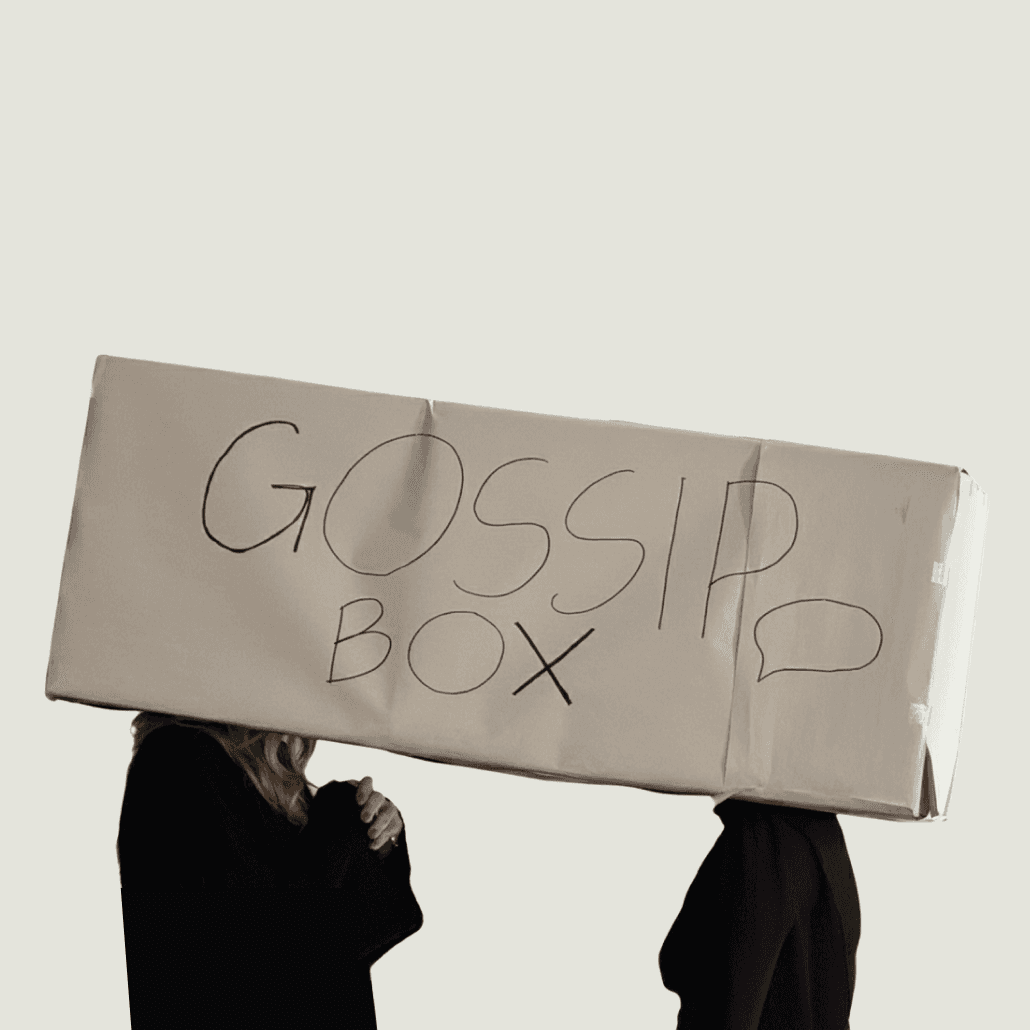
Sketch: Quickly detailing out the box and how we wanted it to behave.
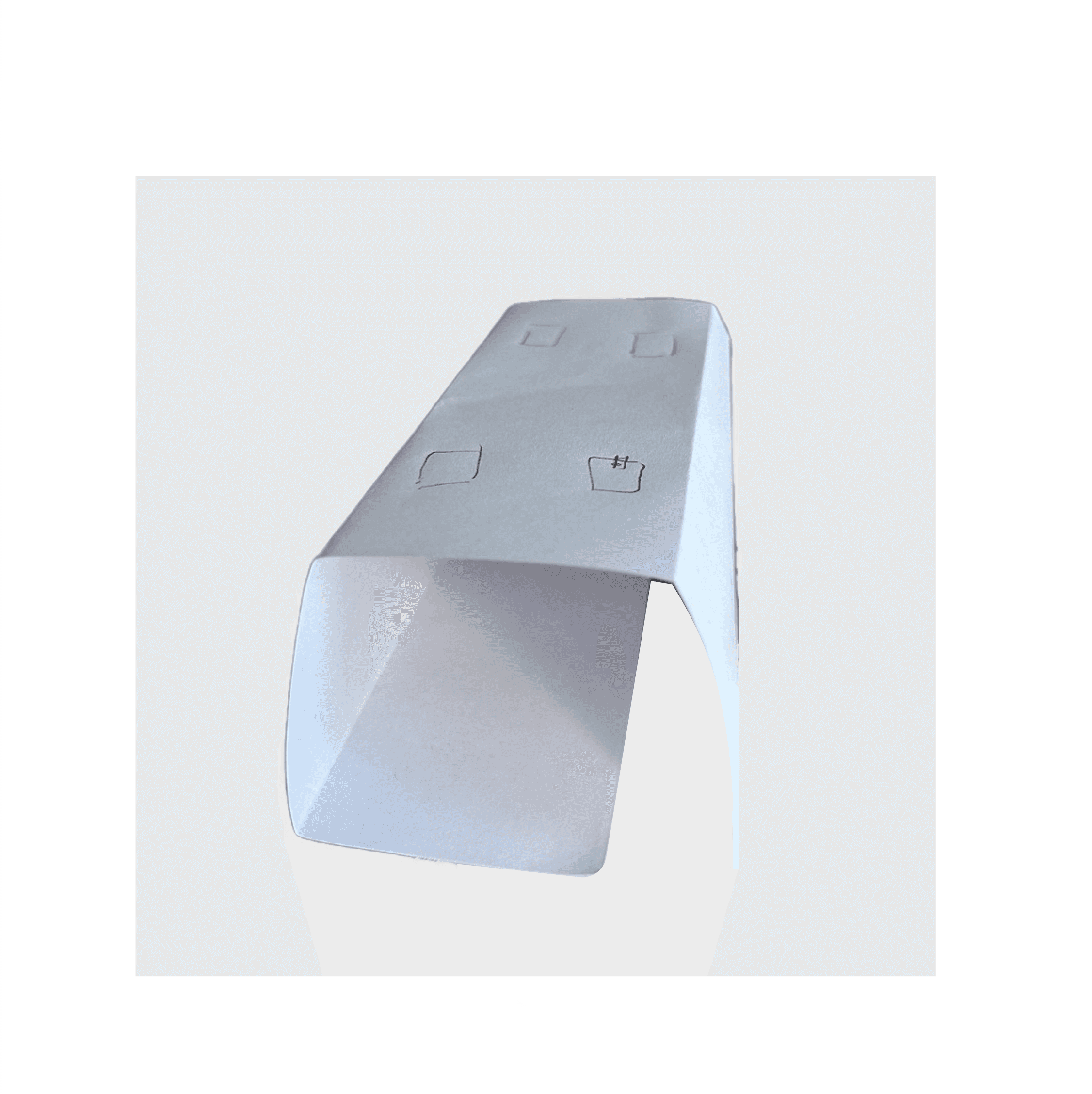
Paper prototype: Constructing the sketch with paper.
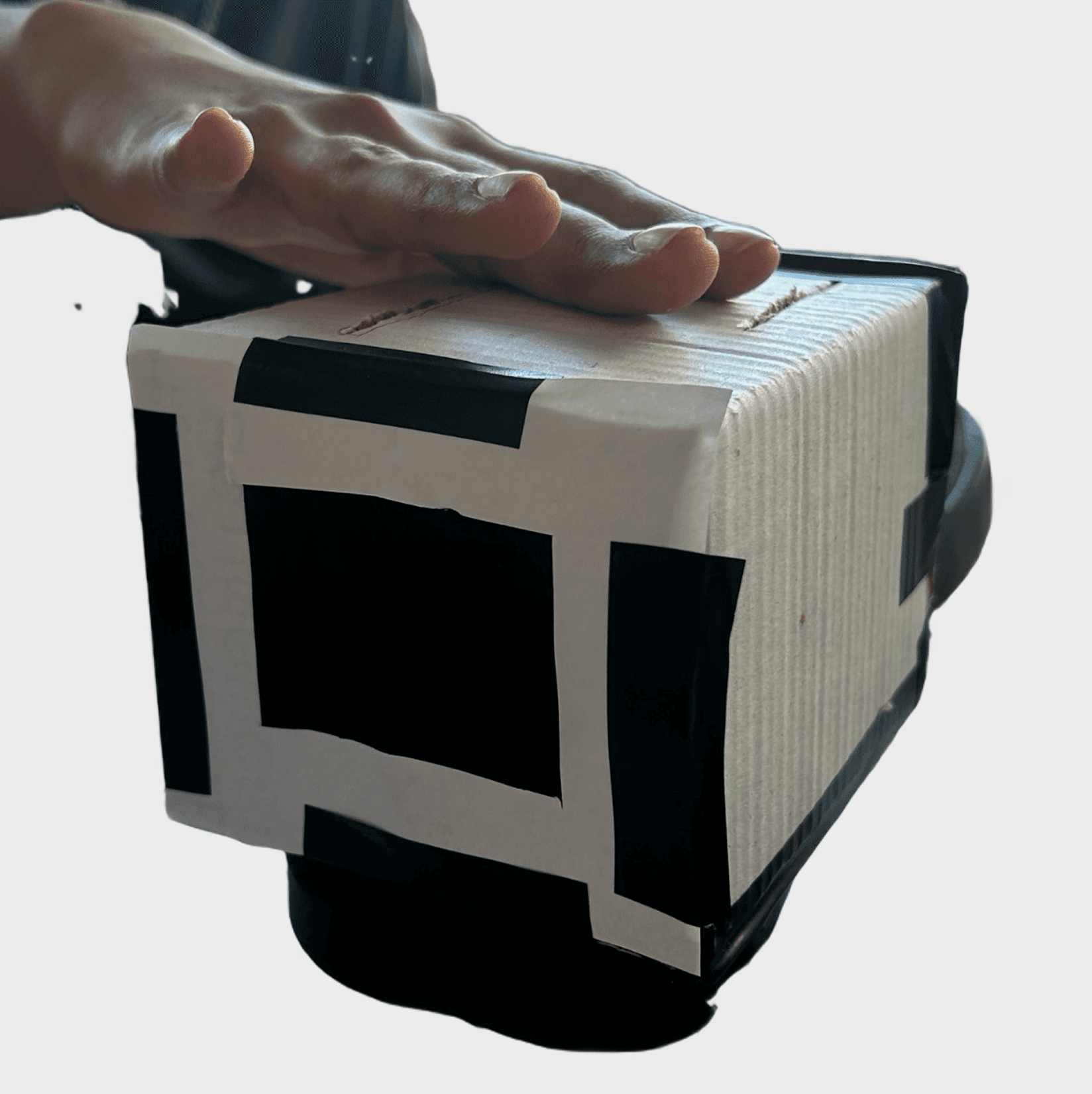
Box: Cardboard, paper, and tape with slits and the top and an opening.
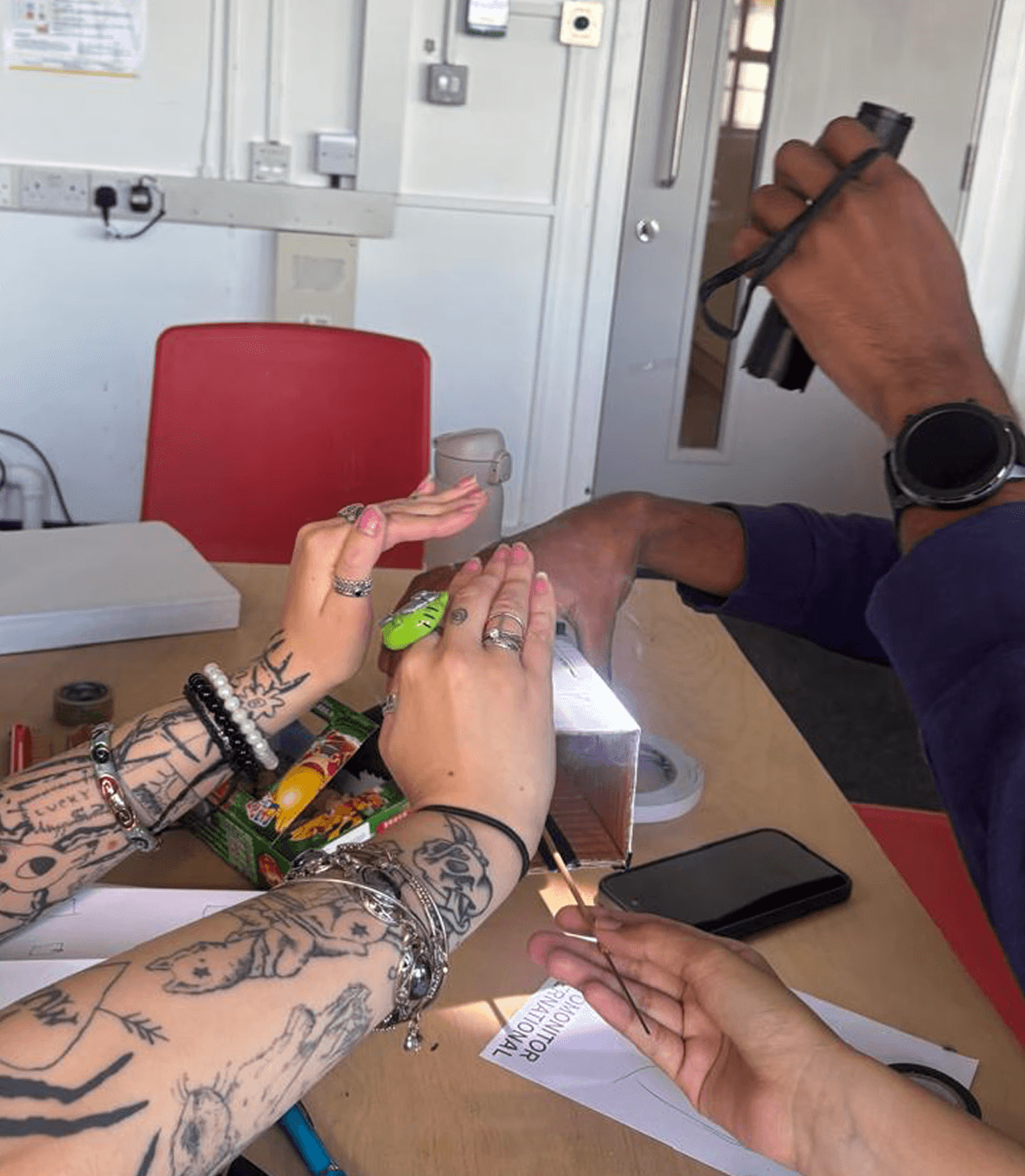
Testing: Adjusting the slits for light and noting how the smoke behaved.
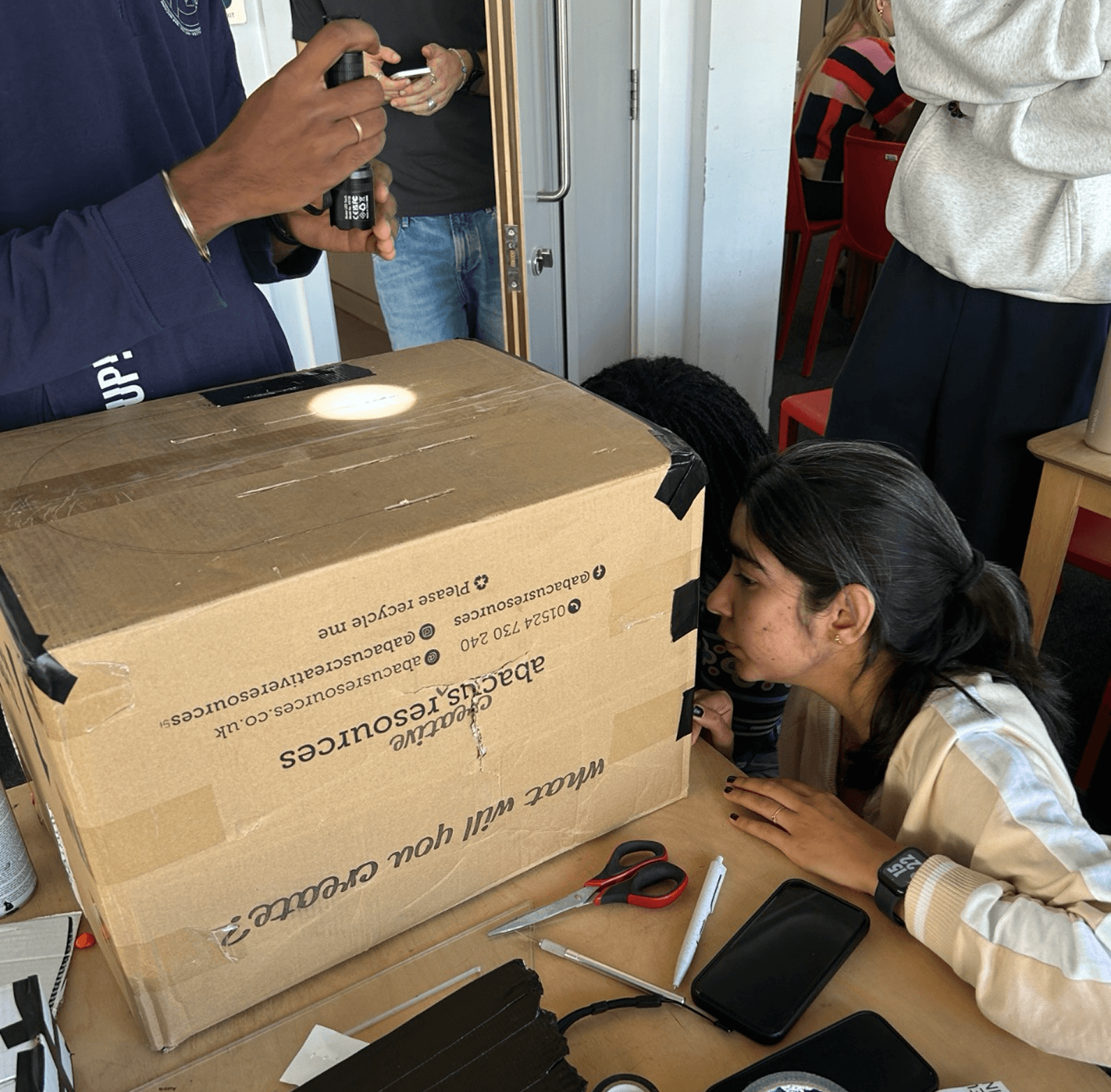
Scaling up: Based on the smaller prototype, we constructed a larger setup.
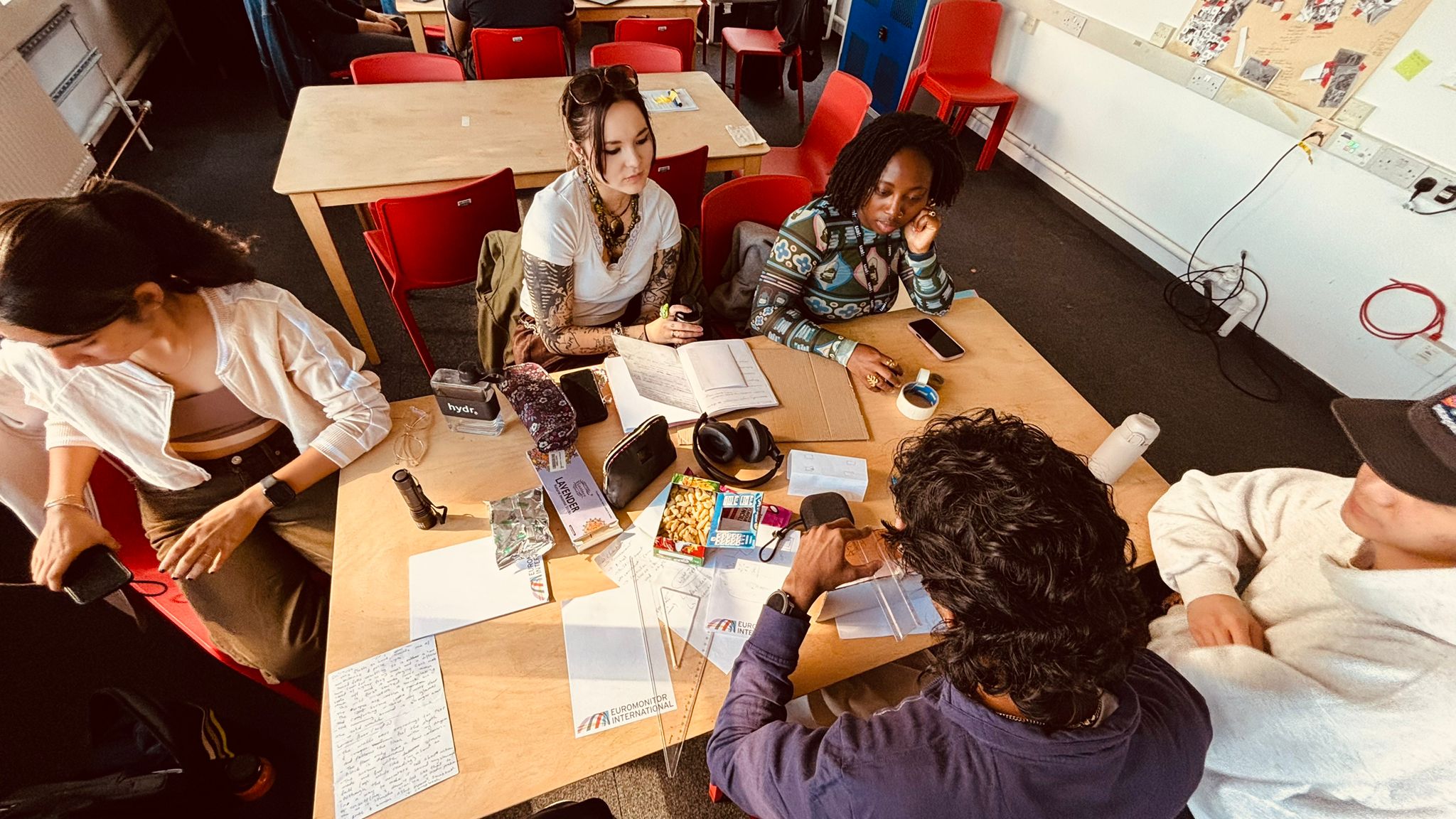
Discussion: Working hands-on and saying our thoughts in parallel.
Feedback
We were not aware that burning incense can trigger the fire alarms, we canned the incense right away.
The box felt really limiting as it could only be viewed and felt less experiential.
It felt like a smaller reconstruction of the space.
The dust particles seem like they're dancing but it's a random movement.
Try and get the people experiencing it to dance.
Try restricting one sense and see what that leads to.
Re-iteration
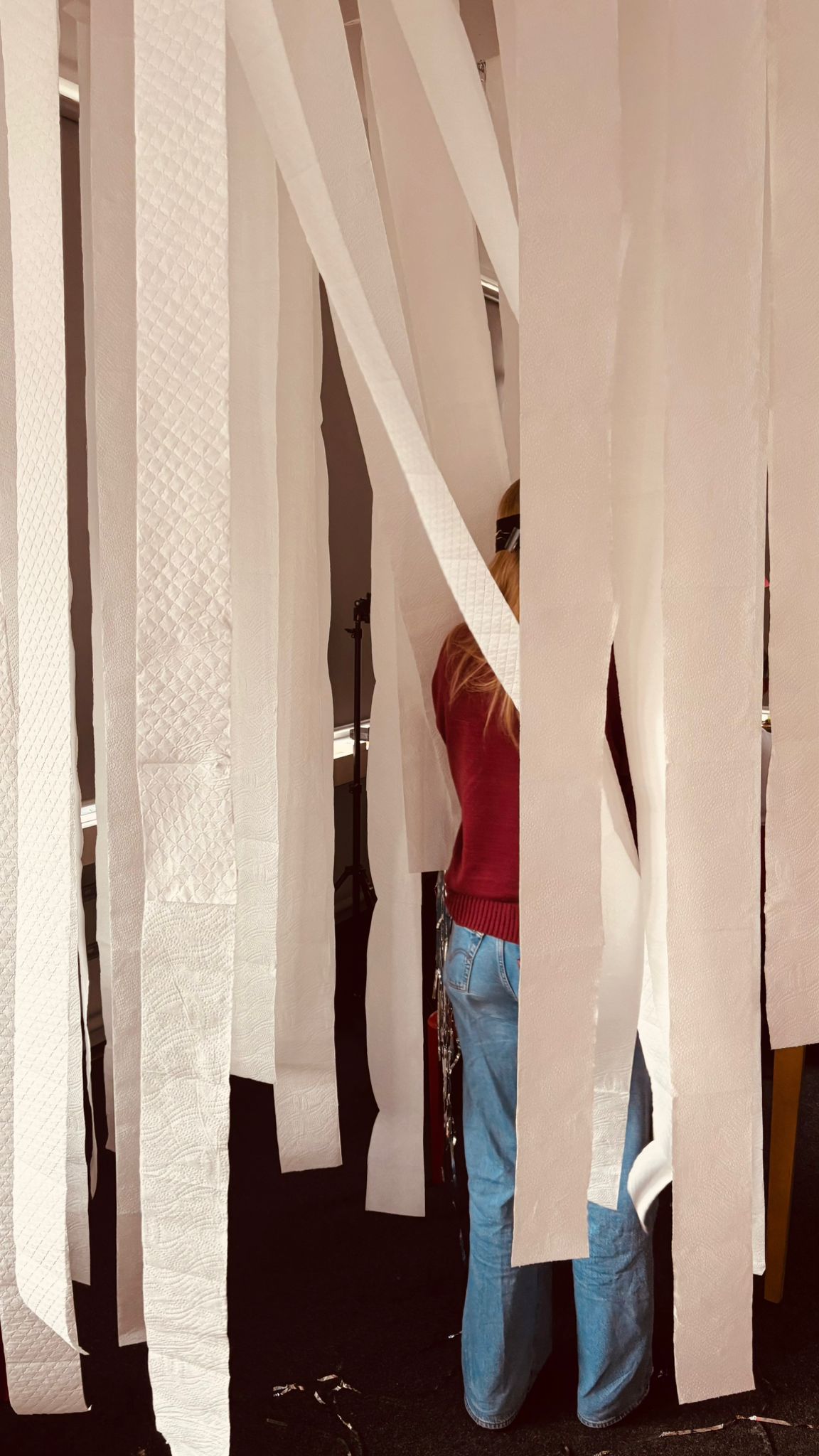
We used scented paper as a substitute for smoke.
We made everything larger so that people could experience navigating through the smoke.
Our selection of materials drew inspiration from the various materials in the Ise Jingu exhibit.
The end has a Taurus constellation which could be traced with fingers, similar to how the temple had Mithra on a bull.
Since the participants cannot see, they have to navigate relying on touch (denser paper), smell (stronger fragrance), and sound (louder music) to reach the constillation.
Process
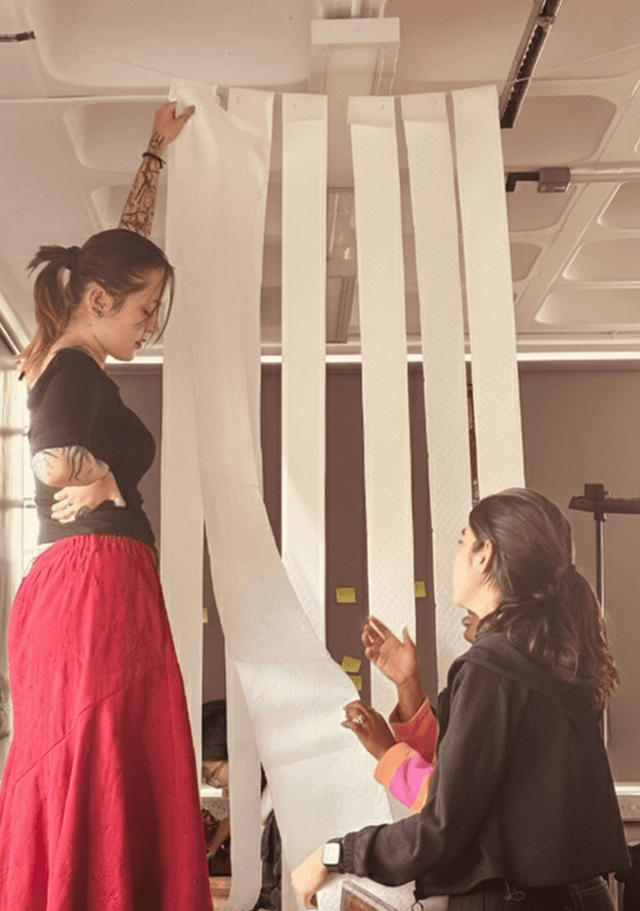
Hanging scented paper from the ceiling.
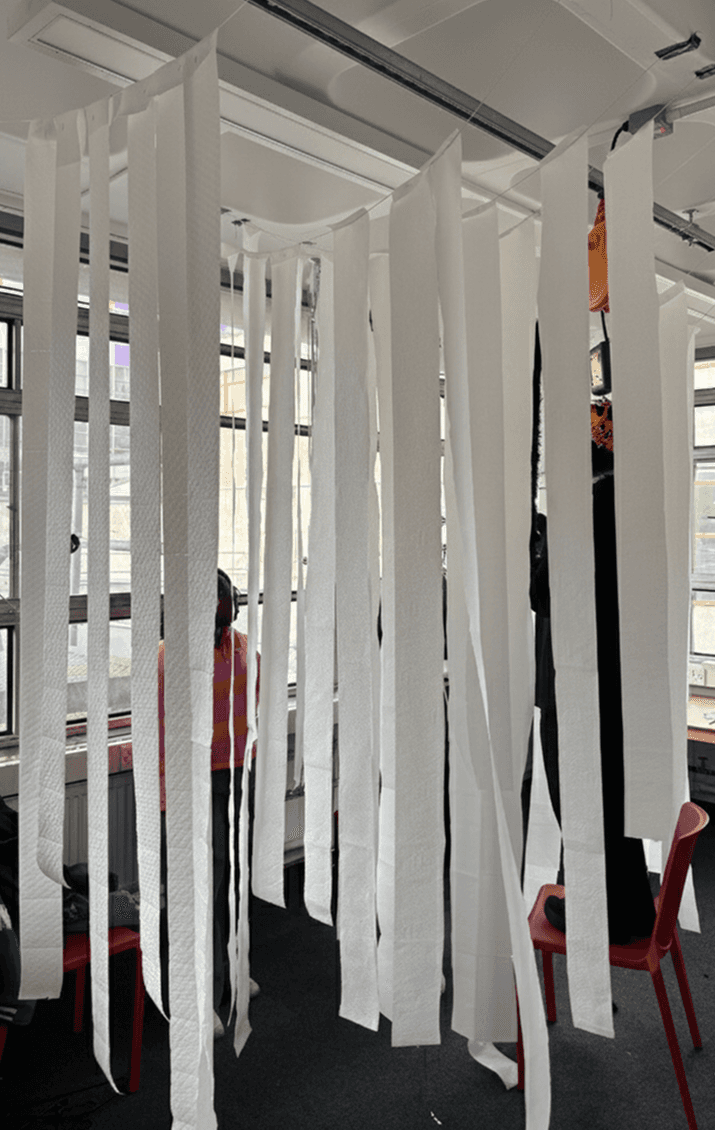
Increasing the density of paper towards the end and making the smell stronger.
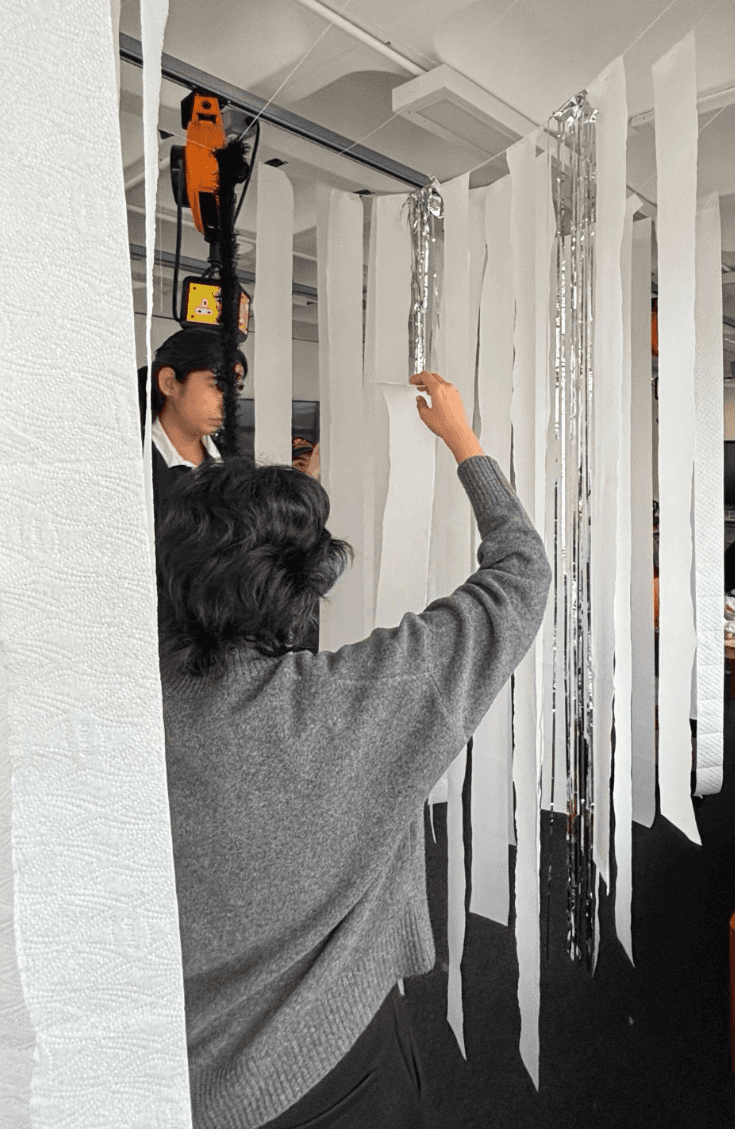
Experimenting with different materials like cloth and plastic.
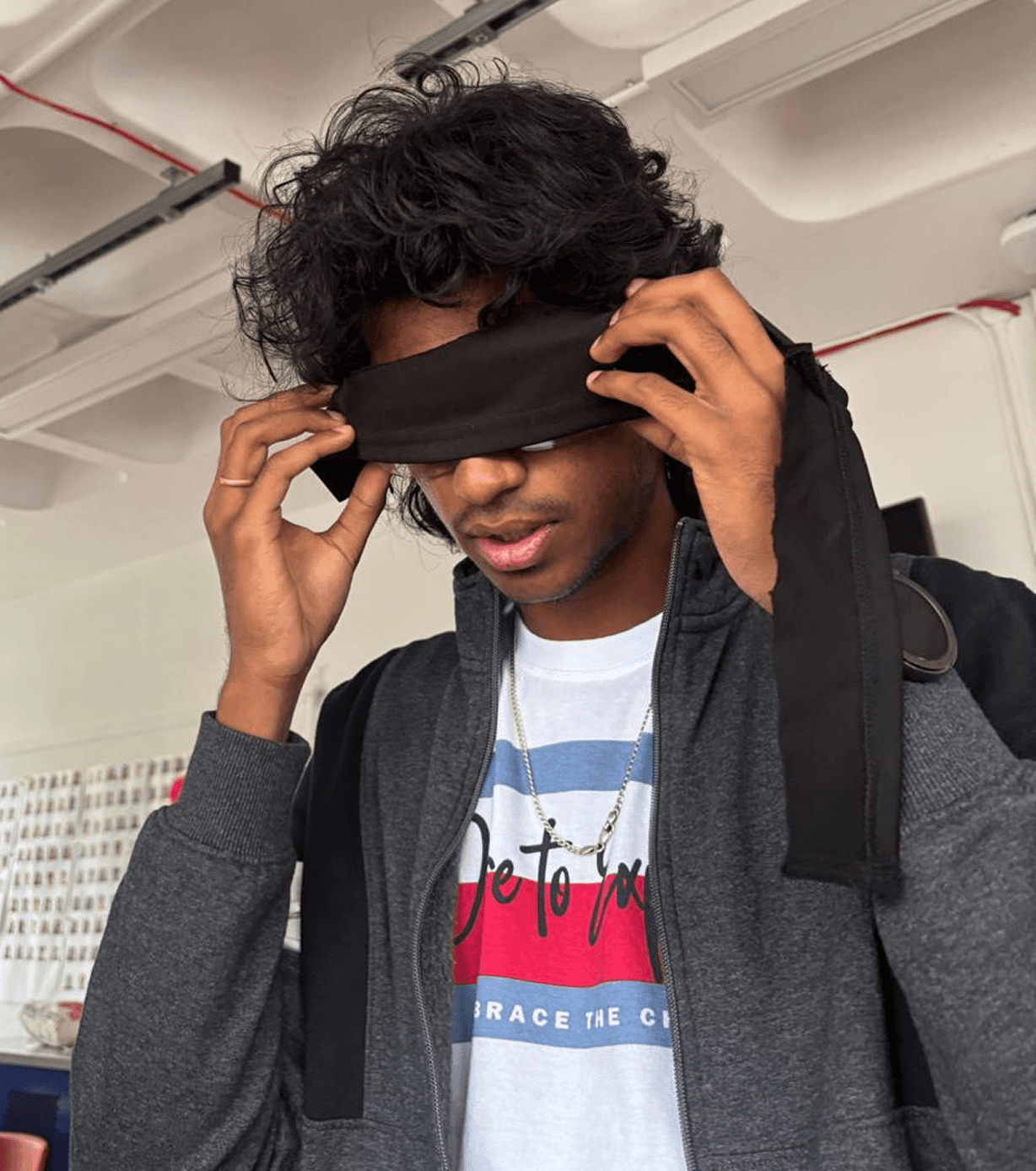
Blindfolding and testing the difference in experience.
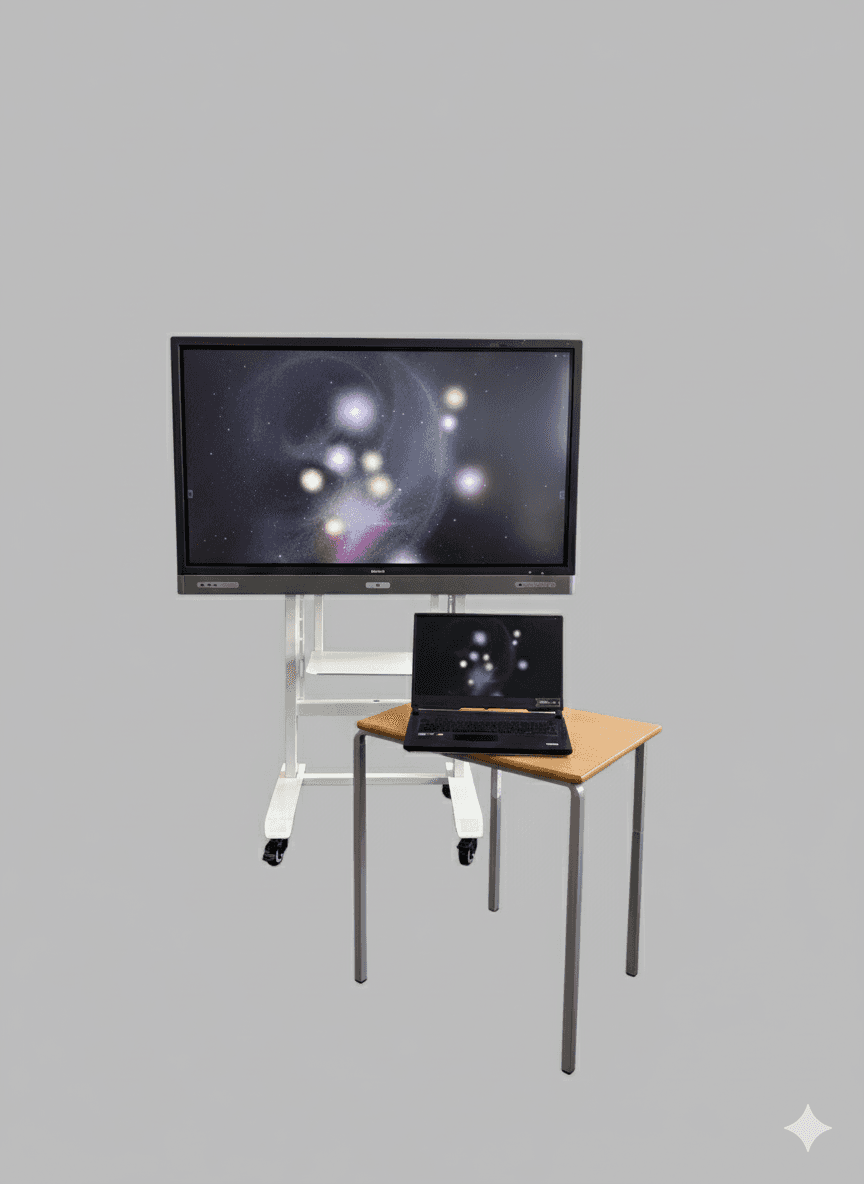
Adding the Taurus constellation at the end with music.
Video of Taurus with music.
Final Feedback
The paper becoming denser could not be felt by the participants.
The scent was less close to incense and smelled like "pharmacy".
The experience could have been larger to accommodate multiple people to walk into it and navigate it.
The experience would have been complete and less confusing with the screen at the end.
reflection.
As this was the first project of the term, getting to know the team, getting materials, making prototypes, being adaptable and communicating effectively added to the challenge.
Looking back, there is room for improvement:
Meeting on the weekend of week 1 could have given us more room to explore our concepts and test them.
We could have taken the concept further by making it large enough for the class (or half of it) to experience.
The brief demanded a dance experience, and I feel we played it safe by keeping it metaphorical.
More testing would have fixed most of the gaps in the project.
The photographs have a lot of distracting elements and poor composition, especially the ones taken in the studio.
There's very few images of the final outcome and no videos at all.
Despite its limitations, this project marked an important moment in my learning. Looking back, I can clearly see growth in my creative thinking, prototyping skills, and collaborative approach.
references.
Banes, S., Lepecki, A. (2012) The Senses in Performance
Bloomberg (2025) About the Mithraeum
Available at: https://www.londonmithraeum.com/about/
Connor, S., 2006. The menagerie of the senses
Pittarello, F. and Semenzato, M. (2024) Experimenting with Dataphys, a Physicalization Toolkit for Representing Spatio-Temporal Environmental Data