TIMELINE:
2 WEEKS
RESEARCH METHODS:
BEHAVIOURAL MAPPING, SPEED DATING
TEAM:
VIBHOOTI • ENIOLA • KAI • MATTHEW • MOLLY • WALEED
brief.
"Design an encounter that values patience, presence, or pause."
week 1.
Brainstorming
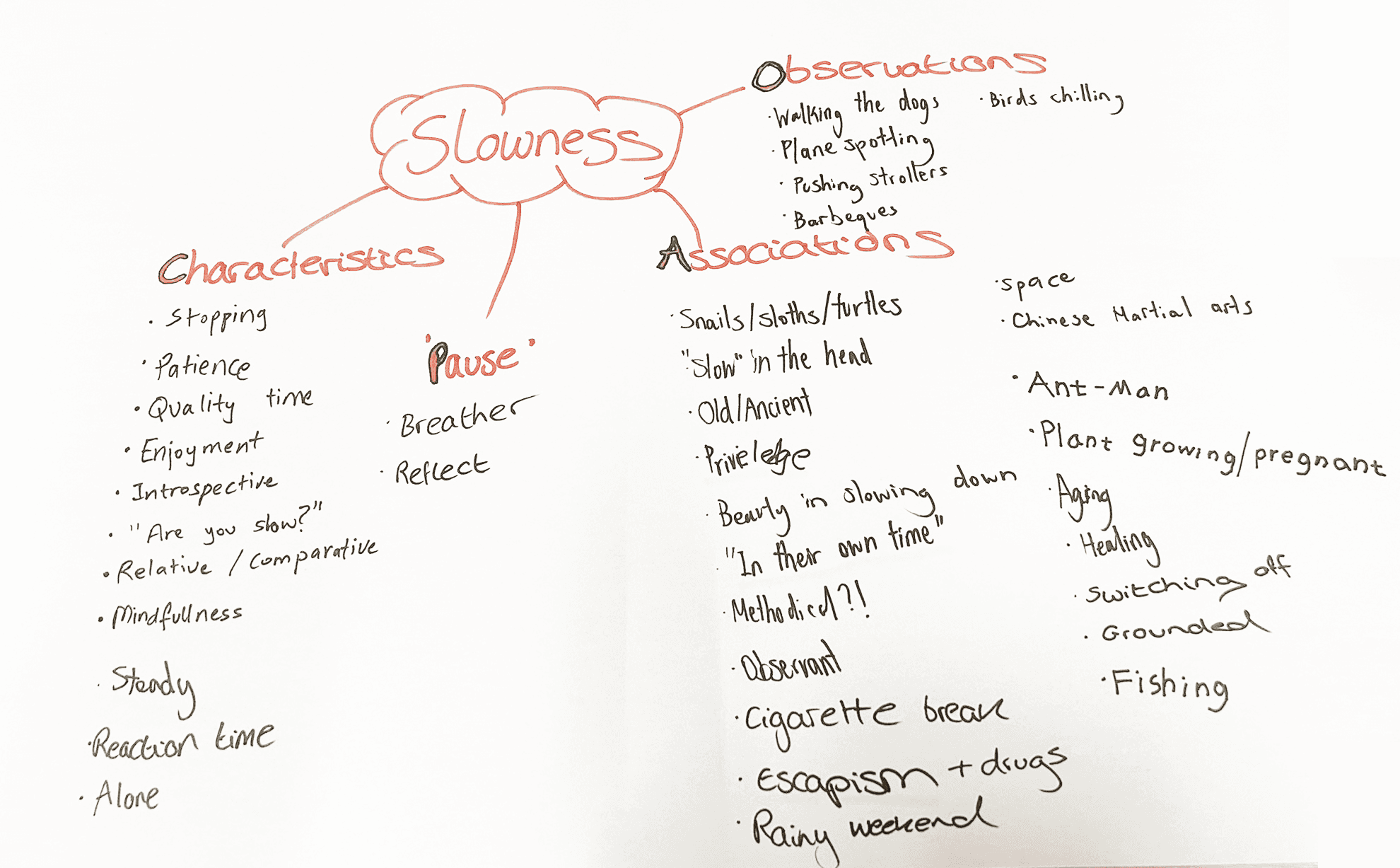
We introspected what slowness meant to us and through secondary research.
Behavioural Mapping - Burgess Park
We visited Burgess Park due to it's proximity and as parks were a place we had slowed down at in some point in our lives. We observed our own behaviour as we were unable to tail people for our own safety.
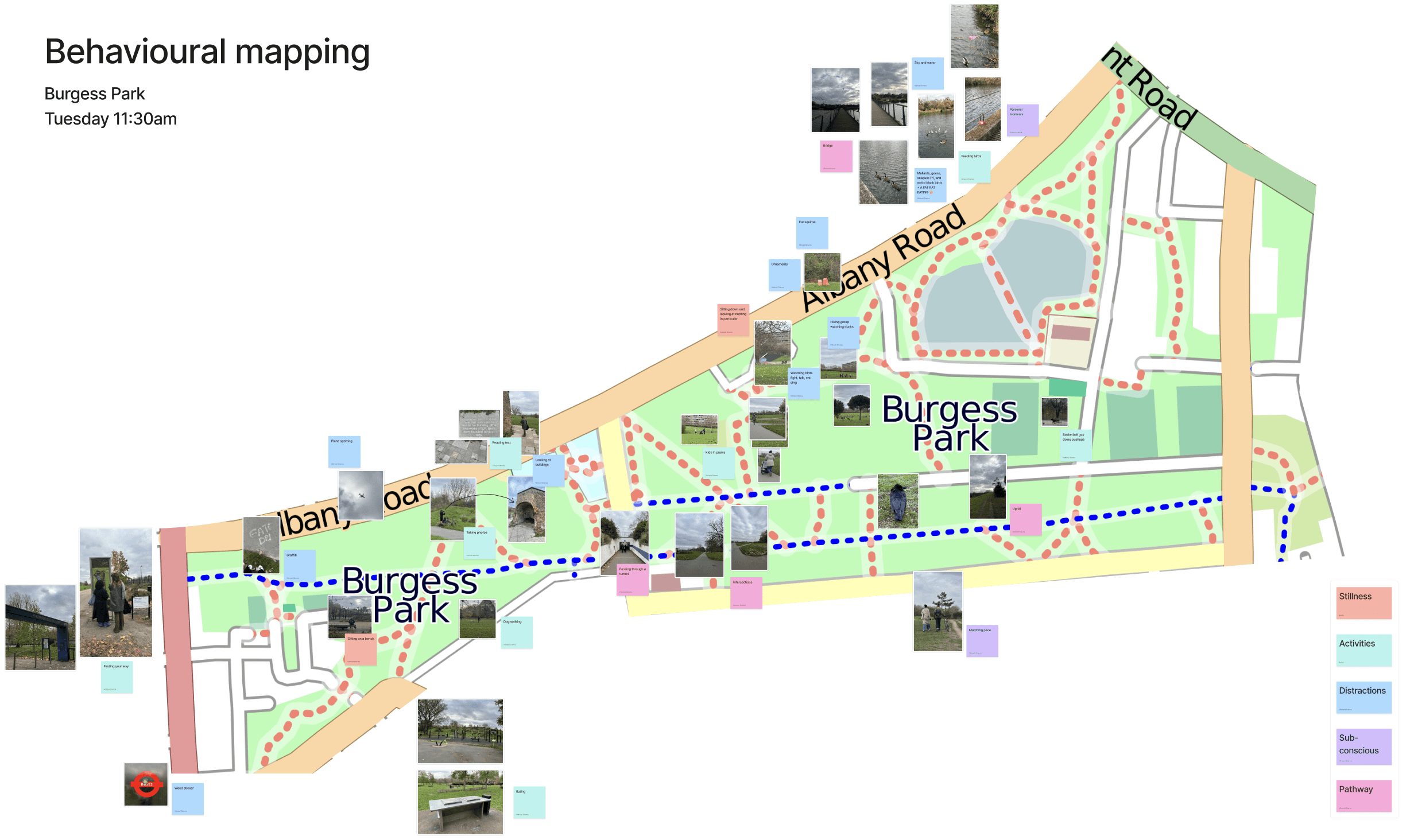
Observations
We identified 5 main categories for slowing down:
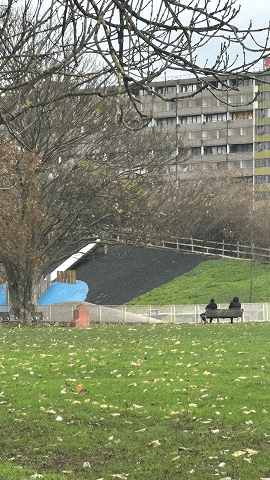
Stillness: moments of doing nothing at all, like sitting in a bench.
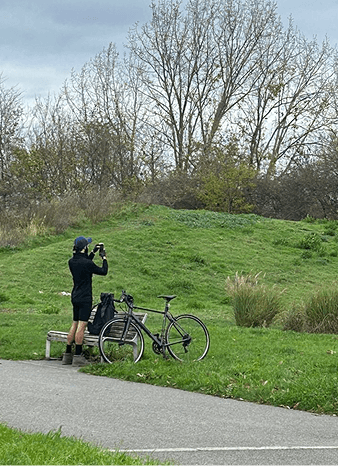
Activity: doing an activity that involves slowing down, like taking photos.
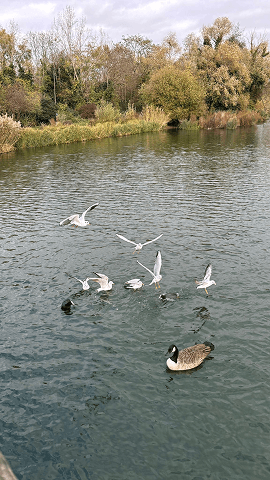
Distraction: unplanned things that catch attention, like animals.
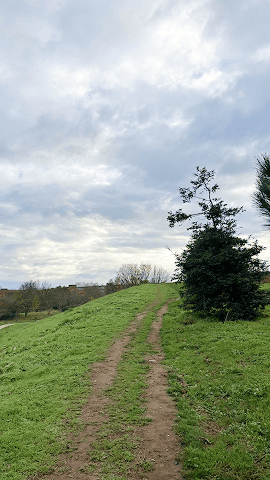
Pathway: certain paths made people slow, like going uphill.
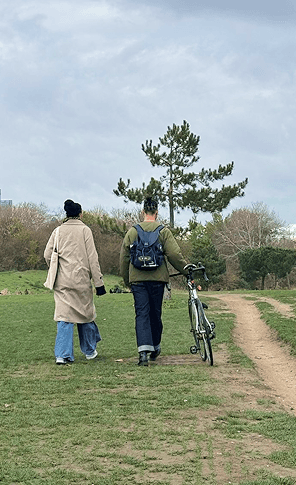
Subconscious: not realising you are slowing down, like matching someone's pace unintentionally.
Feedback
Think about your insights from a distance.
What were your assumptions before the behaviour mapping?
How do we choose to experience the city?
What you did is really good stuff and honest observations.
week 2.
Speed Dating
We speed dated two ideas:
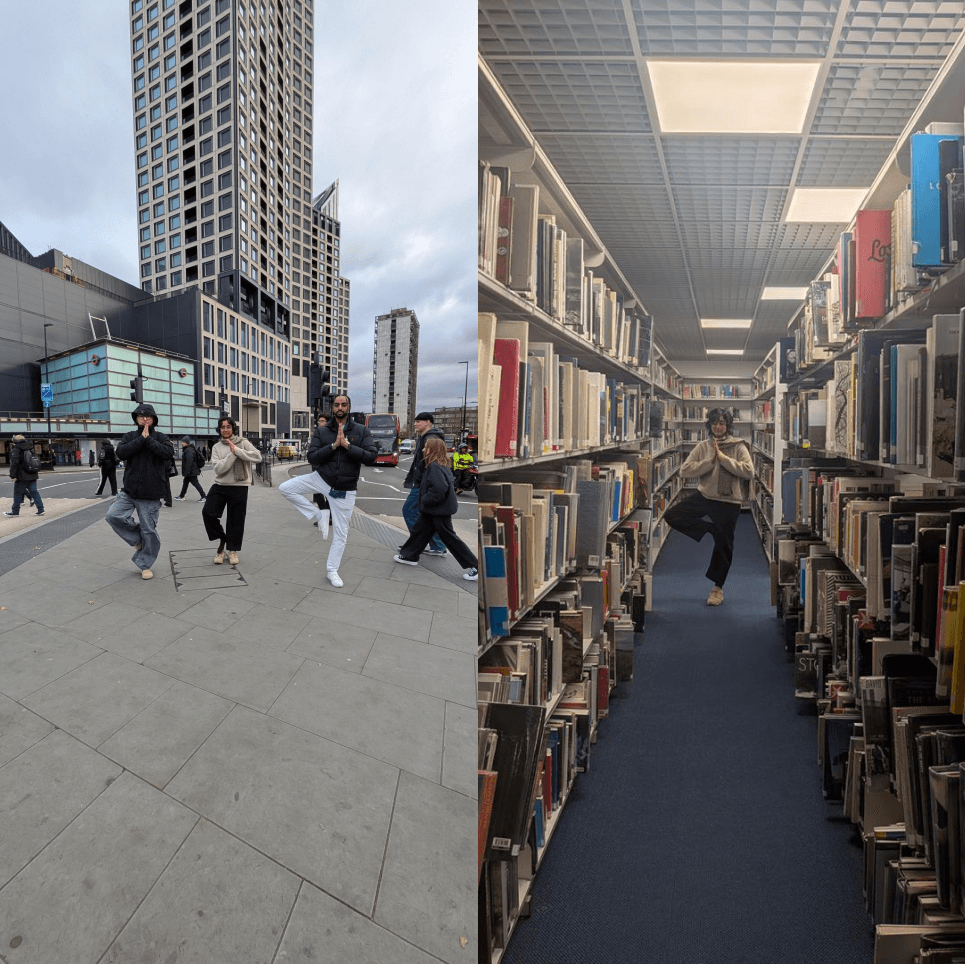
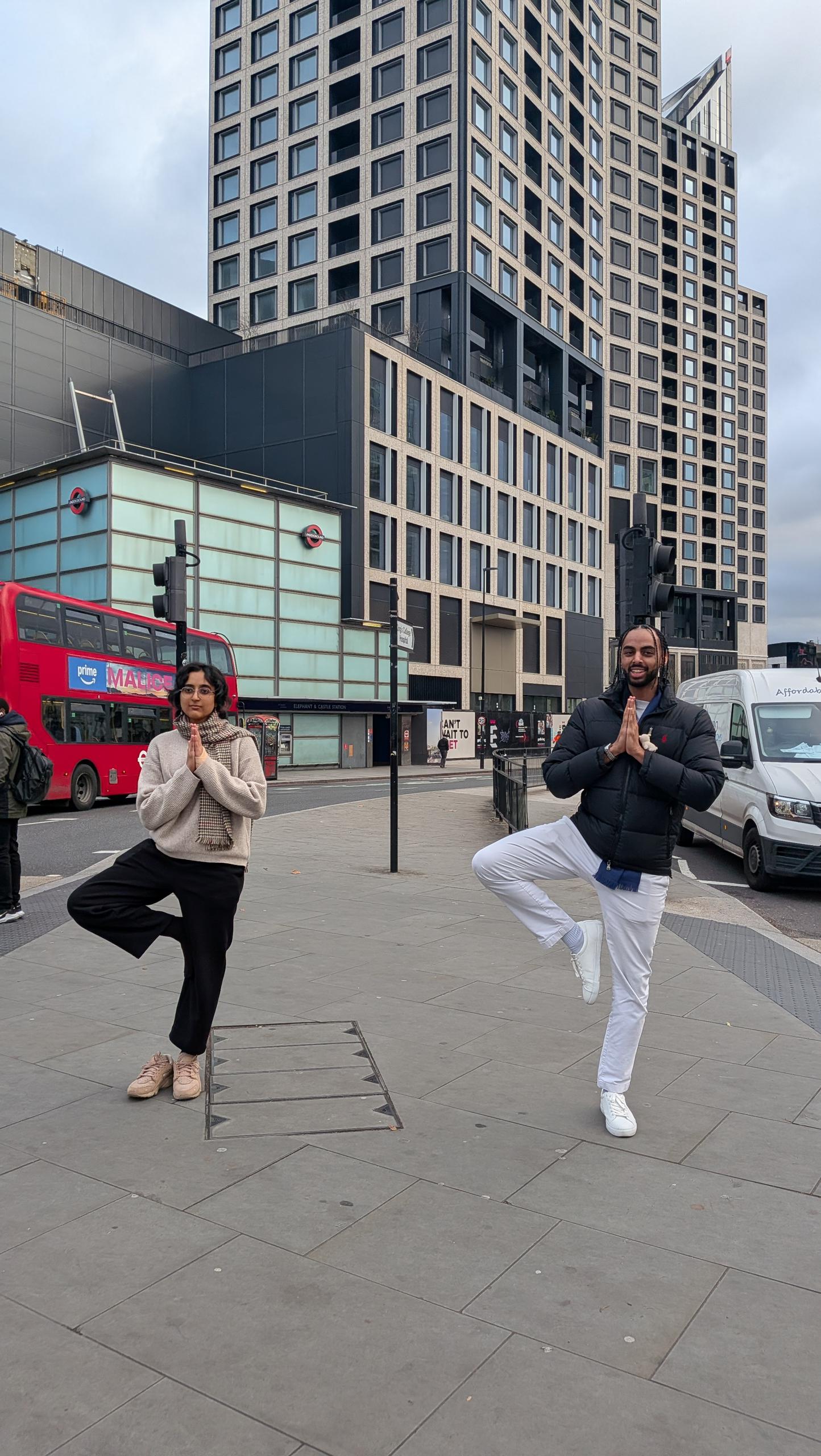
Busy vs quiet: slowing down on a street (busy) and library (quiet) through yoga.

Getting un-ready: how people unwind and relax in evenings and what their routines look like.
Insights
Participants expressed doing yoga, especially on the streets.
They expressed feeling 'exposed' while doing yoga in public.
Most people did not do rigid planning and let things happen.
Most evening routines involved doing chores, and then feeling relaxed.
People's routines did not involve deliberate actions to relax, and had tasks like showering, eating, and washing.
Most people had doomscrolling as something they did in the evening.
Currency of Slowing Down
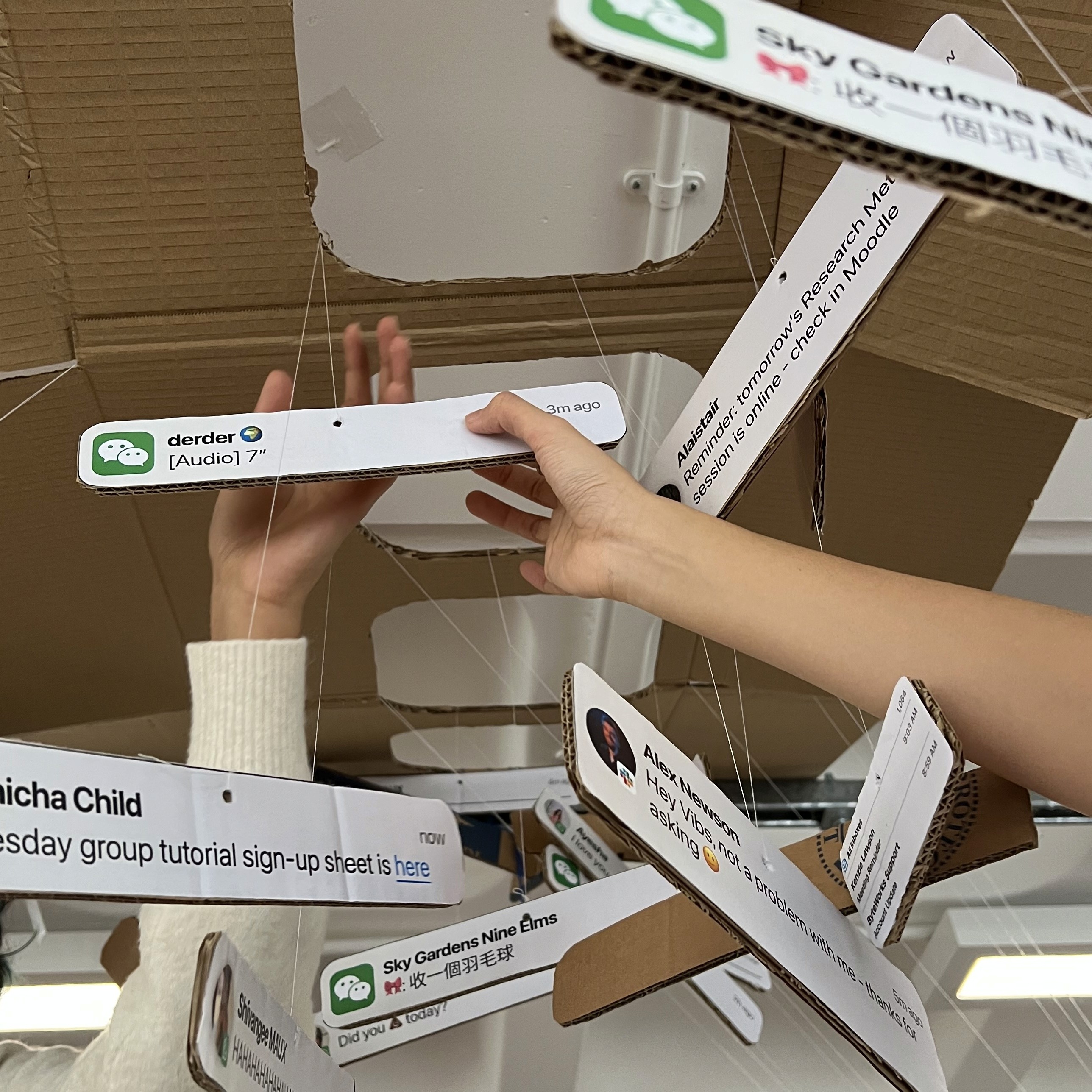
We documented our team's evening rituals and created receipts for self-reflection. We wanted to introspect about how time is money and who can afford it.
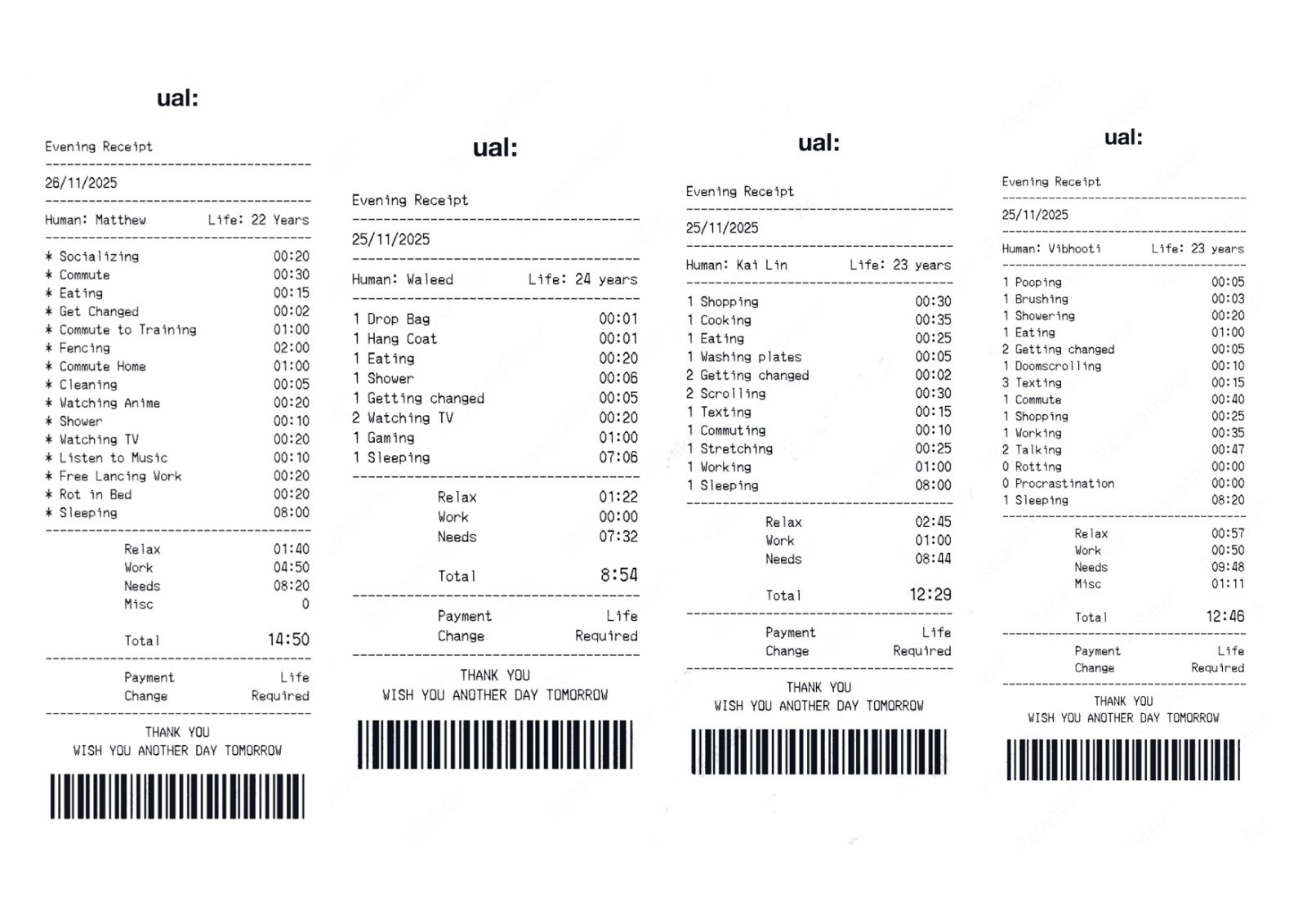
Receipts written by the team.
An overview of the evening routines documented.
Feedback
More could have been added by exploring who gets to slow down.
I like the receipts but it feels a bit dystopian like I’m being charged.
The video could be more connected if you had timestamps and overlay.
We could see more of the commodification (screentime).
Can be more experiential and could have gone more dark with it.
reflection.
Through this project, we thought about a lot of ways slowness is. We tried to bring a non-tangible experience to something that can be felt and interacted with.
Looking back, there is space for improvement:
If we could push it further, we would have made it more dystopian and maybe have an outcome for the receipts.
Compared to my other projects, this had a lot less prototypes and testing of the ideas.
We did run into a road block after the speed dating, and had to pivot from the evening routine almost last minute.
references.
Fletcher, K. and Tham, M. (2019) Earth Logic: Fashion Action Research Plan
Hallnäs, L. and Redström, J. (2001) Slow Technology – Designing for Reflection
Hsieh (1980) One Year Performance
Meadows, D.H., Meadows, D.L., Randers, J. and Behrens III, W.W. (1972) The limits to growth: A report for the Club of Rome’s project on the predicament of mankind
Odell, J. (2019) How to Do Nothing: Resisting the Attention Economy